
Choosing between the different types of swimming pools can feel harder than it sounds.
This short guide looks at the different types of swimming pools commonly found in South African homes, along with their pros, drawbacks, and which type is best suited to your needs.
Some swimming pools are built for family fun.
Others are better for exercise, compact gardens, or homes with a view. Some are quick to install, while others take more planning and a bigger investment.
If you want help choosing the right pool type, pool design, and installation approach for your property, Pool Xpert can guide you through the options and help you plan a pool that suits your home.
Check out our pool design services and contact us to get a quote.
Key takeaways
- The best swimming pool for your home depends on space, budget, maintenance, and how you plan to use it.
- In-ground pools are one of the most popular options for homeowners who want a permanent, custom finish.
- Above-ground pools are easier to install and ideal for tighter budgets or less permanent setups.
- Infinity pools, lap pools, plunge pools, indoor pools, and natural pools each suit different homes and lifestyles.
What to consider before choosing a swimming pool
Before comparing different swimming pool types, it helps to step back and think about how the pool will actually fit into your property and daily life. The perfect swimming pool is not always the largest or most expensive option. In many cases, the best choice comes down to how much space you have, how you want to use the pool, and what level of maintenance you are prepared to take on.
For South African homeowners, it also makes sense to think about climate, outdoor living, and how a residential swimming pool will affect the look and value of the property over time.
Budget, build costs, and long-term value
The upfront cost of a swimming pool is only one part of the decision. Different construction methods, finishes, and layouts can change the total cost quite a lot, especially when you compare concrete pools, fibreglass pools, and vinyl liner options.
- Think beyond the initial quote: Pool installation costs can include excavation, paving, pool pumps and filters, finishes, and drainage—not just the shell itself.
- Consider material choices carefully: Concrete pools offer design flexibility and can suit custom architectural pools, while fibreglass pools are often quicker to install and may come with maintenance advantages.
- Look at long-term value: A well-designed in-ground pool in a permanent location can improve the appeal of a home pool and may support resale value, especially when it fits the property well.
- Plan for ongoing costs: Water treatment, electricity, cleaning, and repairs all add to the real cost of ownership over time.
Available space and the layout of your outdoor area
Available space is one of the biggest factors when choosing between the different types of pools. A pool that works beautifully in a large garden may not suit a compact suburban stand or a smaller outdoor space.
- Measure the site properly: Look at the actual usable outdoor space, not just the total size of the yard. Existing paving, trees, slopes, and entertainment areas all affect what can realistically be built.
- Match the pool to the shape of the property: Lap pools often work well on narrow sites, while plunge pools and spa pools are practical for smaller homes. Larger pools usually need a more open layout.
- Think about how the pool will sit in the garden: A residential swimming pool should feel integrated with the rest of the property rather than squeezed into leftover space.
- Leave room around the pool: Pool surrounds, access paths, seating, and safety clearances are just as important as the water itself.
How do you want to use the pool?
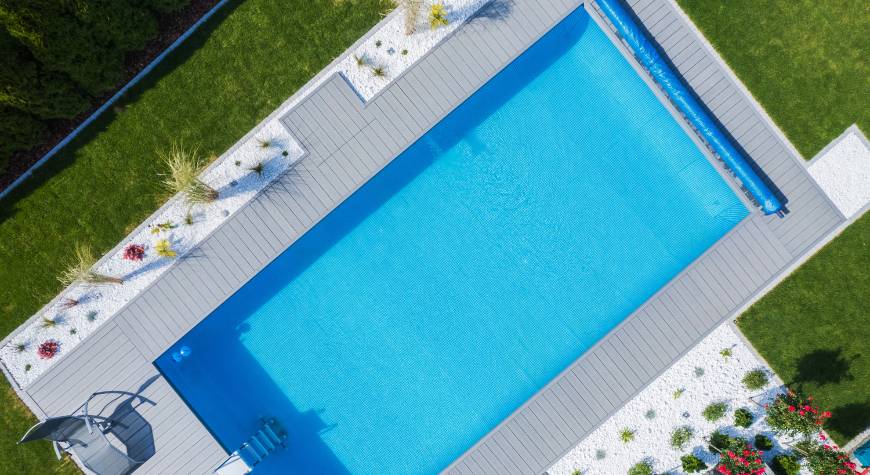
Not all swimming pool types are designed for the same purpose. Some are built for family recreation, some for design impact, and others for swimming exercise or therapeutic benefits.
- For leisure and family use: Traditional swimming pools, plunge pools, and many outdoor pools are well suited to relaxed use, social weekends, and cooling off in summer.
- For fitness: Lap pools, exercise pools, and some swim spas are better for swimming laps and regular training.
- For relaxation and recovery: Spa pools and indoor heated pool designs can suit homeowners who want hydrotherapy, comfort, or year-round use.
- For visual impact: Infinity pools, vanishing edge pools, and other architectural pools are often chosen because the pool design becomes a focal point of the home.
Pool installation and construction requirements
Pool installation can vary a lot depending on the type of swimming pool you choose. Some options are relatively simple, while others need more engineering, more time, and more specialised professional installation.
- Above-ground options are usually quicker: They tend to involve less disruption and a shorter installation window.
- In-ground pool projects are more complex: Excavation, structural support, plumbing, and finishing all affect timing and cost.
- Construction methods matter: Gunite pools, concrete pools, fibreglass pools, and vinyl liner systems each come with different timelines, finishes, and structural considerations.
- Choose experienced pool builders: Good pool builders can help you compare pool designs, explain the pool structure, and advise on what is practical for your site.
Pool style, finish, and the look you want
The best pool for your home should work visually as well as practically. Some types of pools suit formal homes, while others feel more natural or relaxed.
- For a classic look: Traditional swimming pools often use clean lines, standard coping, and simple shapes that suit many homes.
- For a more natural setting: Natural swimming pools can include natural stone, aquatic plants, and softer edges to blend with the garden.
- For luxury design: Infinity pools and negative edge layouts are popular where the site allows the water to appear to extend into the landscape.
- For feature-driven spaces: Water features, diving boards, water slides, and shallow areas can all change the feel and function of the pool. LED pool lighting can also help turn the pool into a more practical and attractive evening entertainment space.
Maintenance, cleaning, and water quality
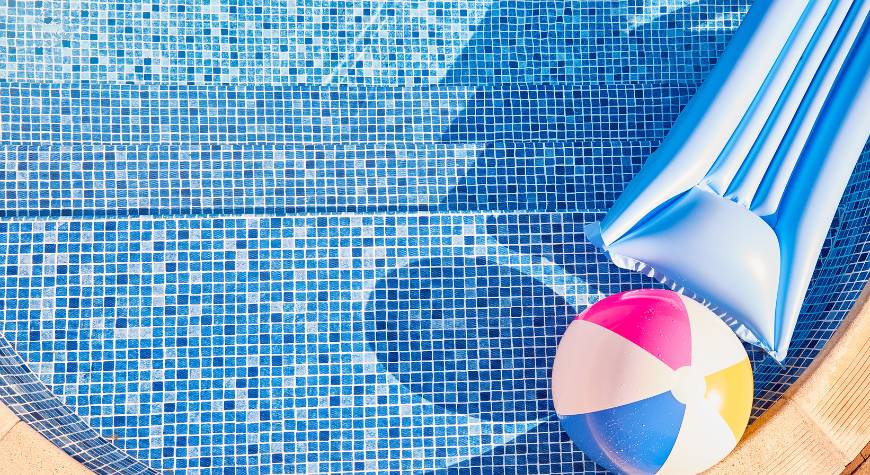
Some pools are easier to maintain than others, and this can make a big difference in the long run. Maintenance should never be treated as an afterthought.
- Check the likely cleaning demands: Larger pools, complex pool walls, and feature-heavy designs can need more regular upkeep. An automatic pool cleaner can make routine cleaning easier, particularly for pools surrounded by trees or used often by families.
- Ask about sanitation systems: Chlorinated water, saltwater chlorinators and other sanitation systems all have different handling needs.
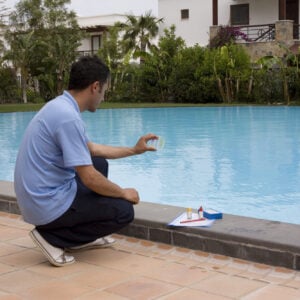
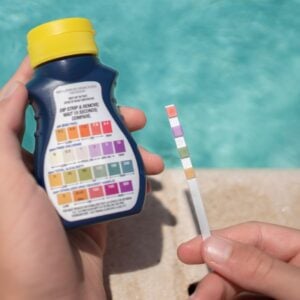
- Understand water chemistry: Good water chemistry helps control algae growth, keeps pool water safe, and protects the finish and equipment.
- Compare treatment options: A saltwater pool or other salt water pools may appeal to homeowners looking for a different feel in the water, while self-cleaning pools can reduce some manual work depending on the system.
Indoor or outdoor use throughout the year
South African homeowners often think first about outdoor pools, but indoor pools can be worth considering in the right property.
- Outdoor pools suit casual summer use: They work well where the garden is part of daily living and entertaining.
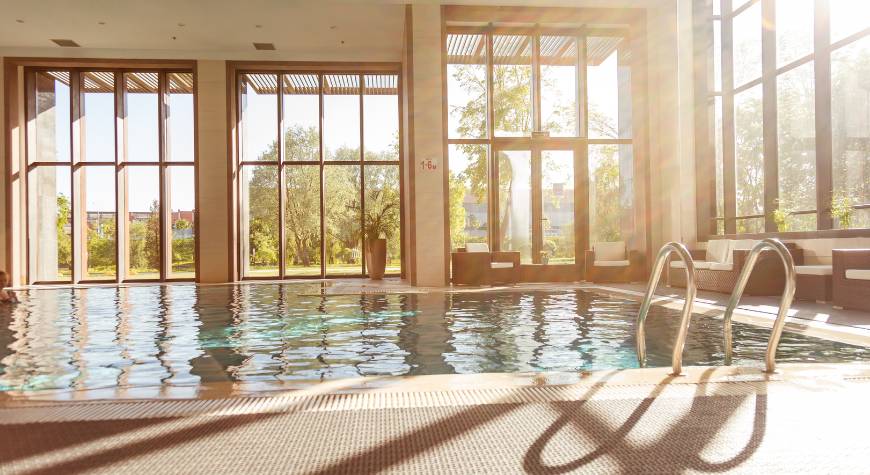
- Indoor swimming pools allow more consistent use: They are especially useful for households that want privacy, structured exercise, or year-round access.
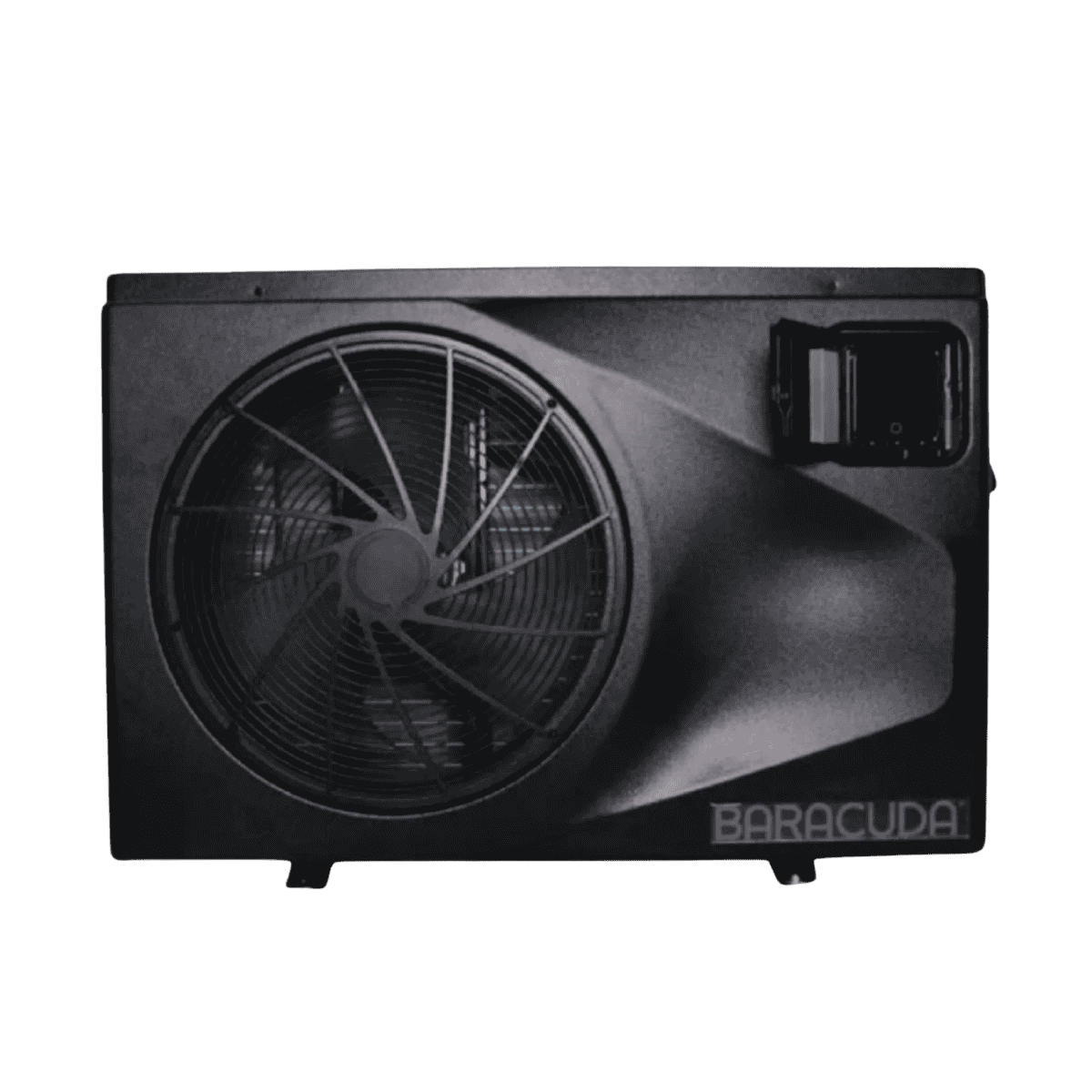
- An indoor heated pool adds comfort: An indoor heated pool adds comfort: Adding a pool heat pump can be a strong choice for serious swimmers or homeowners who want to use the pool more often in cooler conditions.
- Think about the trade-offs: Indoor pools usually need more planning around ventilation, humidity, and professional installation.
Rules, safety, and practical planning
Before committing to any type of swimming pool, it is worth checking the practical side of the project.
- Review local regulations: Local regulations may affect fencing, drainage, setbacks, and other parts of pool installation.
- Consider safety features early: Water depth, shallow areas, and access points matter even more in family homes.
- Plan for the site as a whole: A pool in a permanent location should work with the house, the garden, and future upgrades.
- Get expert advice where needed: Pool builders and installers can often spot issues that are easy to miss at the planning stage.
8 Different types of swimming pools for South African homes
There are many types of pools on the market, but most residential swimming pool options fall into a few main categories. Some are designed for family use, some for exercise, and some for visual impact. The right pool type depends on your site, your budget, and how you want to use the space.
Below is a practical look at the most common swimming pool types, including where each type of swimming pool works best and what to keep in mind before making a decision.
1. In-ground swimming pools
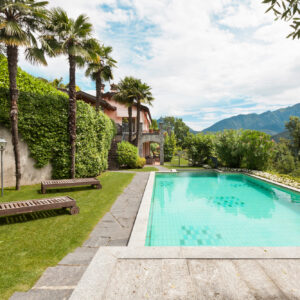
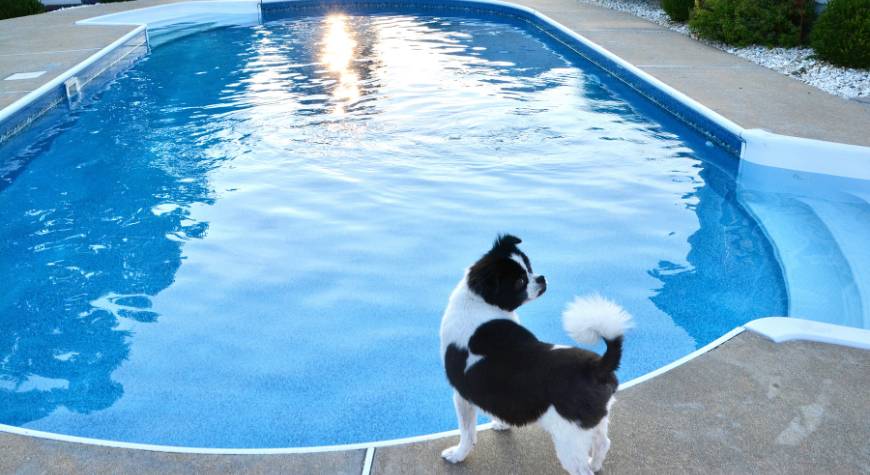
In-ground pools remain one of the most popular swimming pool types for South African homes. These ground swimming pools are built into the ground as a permanent structure and can be customised in terms of size, finish, and layout.
- Why homeowners choose them: An in-ground pool offers a clean, built-in look and can be shaped to suit different pool designs, from classic family pools to more refined architectural pools.
- Common construction options: Concrete pools give you the most design flexibility, fibreglass pools are often faster to install, and vinyl liner systems can offer a different budget and finish profile.
- What to keep in mind: Ground swimming projects usually cost more than above-ground options and need more involved pool installation and planning.
- Best for: Homeowners who want a permanent, polished pool with long-term value.
2. Above-ground pools
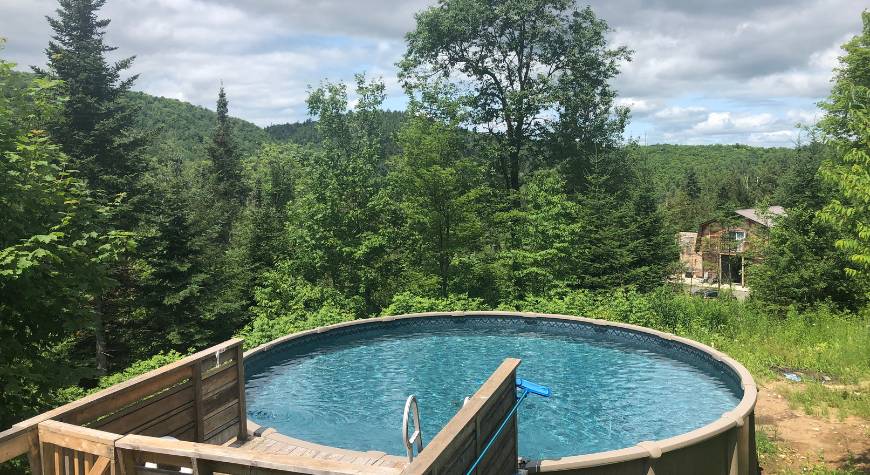
Above-ground pools sit on the surface rather than being built into the ground. They are one of the most accessible types of pools for homeowners who want a simpler setup or a faster route to having a home pool.
- Why homeowners choose them: They are often more affordable, less disruptive to install, and practical for smaller properties.
- Where they work well: Above-ground options suit tighter budgets, temporary setups, and homes where a full excavation may not be practical.
- What to keep in mind: They usually offer fewer custom design options and may not blend as naturally with the rest of the property as ground swimming pools.
- Best for: Families looking for a cost-effective, lower-commitment swimming pool.
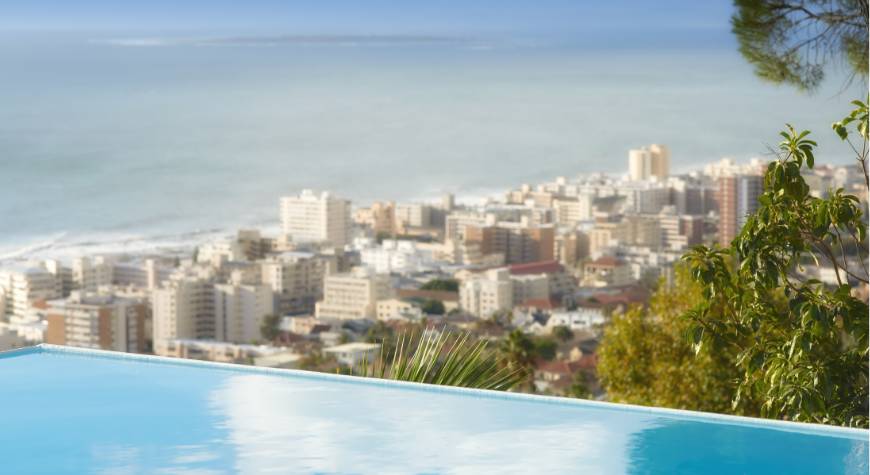
3. Infinity pools and vanishing edge pools
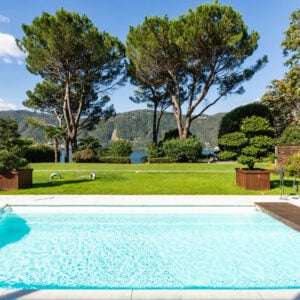
Infinity pools are designed so that one or more edges appear to disappear into the view. These are sometimes called vanishing edge pools or negative edge pools because the water appears to run off the edge into a hidden catch basin.
- Why homeowners choose them: Infinity pools create a dramatic finish and are often used as architectural pools in luxury homes.
- Where they work best: They are especially effective on sloped sites, elevated stands, or properties with sea, valley, or mountain views.
- What to keep in mind: This pool type needs careful engineering, professional installation, and ongoing attention to water levels and mechanical systems.
- Best for: High-end homes where design impact matters as much as function.
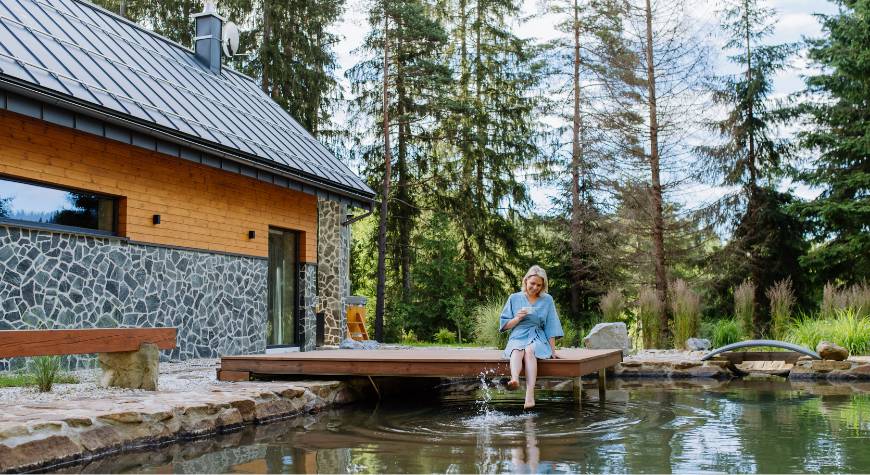
4. Natural pools and natural swimming pools
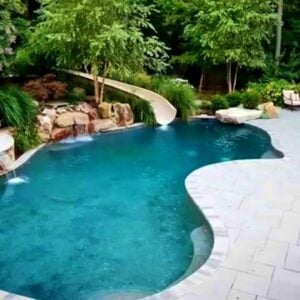
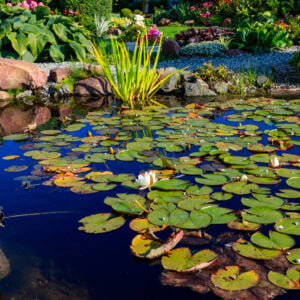
Natural pools are designed to feel like part of the landscape rather than a standard chlorinated pool area. Natural swimming pools often include planting zones, aquatic plants, natural stone, and softer edges to create a more organic look.
- Why homeowners choose them: They offer a less formal alternative to traditional swimming pools and can turn the pool area into a more garden-led feature.
- Where they work well: Natural pools suit homes where landscaping is a major part of the overall design and where the outdoor space allows a softer, more layered finish.
- What to keep in mind: Natural swimming can involve different maintenance needs, water treatment choices, and design planning than standard pool systems.
- Best for: Homeowners who want a distinctive, nature-inspired pool design.
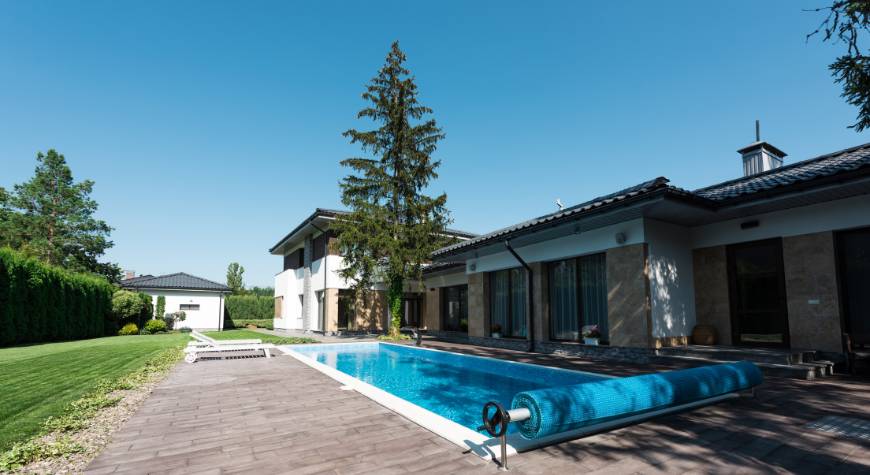
5. Lap pools
Lap pools are long, narrow pools built mainly for fitness. Among the main types of swimming, this pool type is focused on movement and regular exercise rather than casual recreation.
- Why homeowners choose them: Lap pools are excellent for swimming exercise and give you enough uninterrupted length for repeated swimming laps.
- Where they work well: They can suit modern homes, narrow properties, and layouts where length is easier to achieve than width.
- What to keep in mind: Lap pools are less suited to large family gatherings, water slides, or general play than wider pool designs.
- Best for: Swimmers, active households, and homeowners who want a dedicated exercise pool.
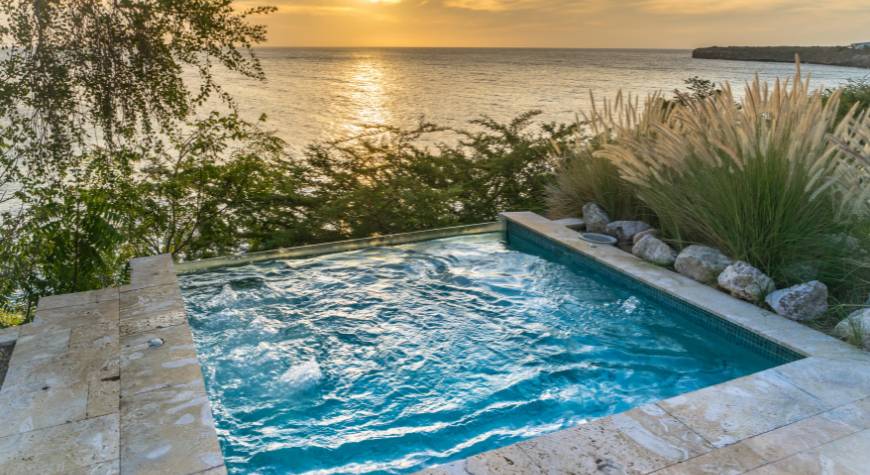
6. Plunge pools
Plunge pools are compact pools built more for cooling off, soaking, and casual relaxation than for full-length swimming. They are one of the most practical types of pools for smaller homes and courtyards.
- Why homeowners choose them: They give you the feel of a private swimming pool without requiring as much outdoor space as larger pools.
- Where they work well: Plunge pools suit compact gardens, urban properties, and homes where a small pool makes more sense than a larger pools layout.
- What to keep in mind: They are not ideal for swimming laps or more active types of swimming.
- Best for: Smaller homes, compact entertainment areas, and homeowners who want a cooling feature without a full-size pool.
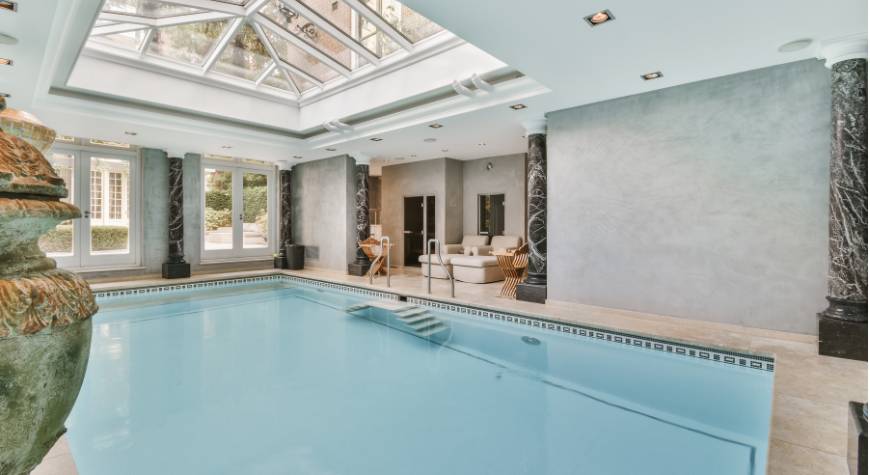
7. Indoor pools and indoor heated pools
Indoor pools sit under cover, usually within a dedicated room or enclosed structure. Indoor swimming pools appeal to homeowners who want more privacy, more control, and more consistent use throughout the year.
- Why homeowners choose them: Indoor pools can make swimming possible year-round and reduce weather-related interruptions.
- Where they work well: They suit larger homes, high-end residential pools, and households that value training, therapy, or privacy.
- What to keep in mind: Indoor heated pool projects need careful planning around humidity, ventilation, water chemistry, and long-term operating costs.
- Best for: Homeowners who want a controlled environment for regular swimming and year-round use.
8. Swim spas and spa pools
Swim spas combine elements of a pool and a spa. They are compact units with jets that allow you to swim against a current, while some spa pools are designed more for relaxation and hydrotherapy than active swimming.
- Why homeowners choose them: Swim spas are versatile, compact, and useful where space is limited.
- Where they work well: They suit smaller properties, modern patios, and homes where a full-size swimming pool is not practical.
- What to keep in mind: They do not replace the space and open feel of larger residential pools, especially for families who want a broader recreational area.
- Best for: Small spaces, fitness use, hydrotherapy, and homeowners who want an all-in-one solution.
Which type of swimming pool is best for your home?
The best type of swimming pool depends on what matters most to you.
If you want a permanent and customisable option, an in-ground pool is often the strongest all-round choice. It suits many homes, offers flexibility in design, and remains one of the most popular pool types for residential properties.
If budget is your main concern, above-ground pools are usually the easiest way to get started. They are simpler to install, cost less, and still give you a practical space to cool off and enjoy summer.
If your property has limited space, a plunge pool or swim spa may be the best pool for your home. These options are compact, efficient, and easier to fit into smaller gardens.
If exercise is the goal, lap pools and swim spas are ideal for regular use. If visual impact matters most, infinity pools and natural pools stand out for very different reasons.
For many homeowners, the best approach is to think less about the most impressive design and more about the pool type that suits your lifestyle, your property, and your long-term budget.
Swimming pool maintenance and long-term costs to consider
No matter which type of pool you choose, maintenance and ongoing costs should be part of the decision.
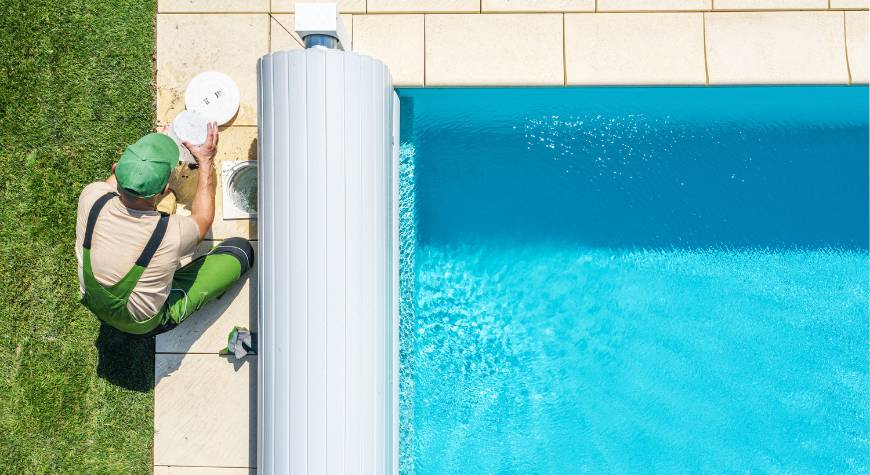
The pool is not just something you install and forget. You will need to think about cleaning, water treatment, repairs, electricity use, and seasonal upkeep. Some pools and finishes need more attention due to shape, surface materials, or added features such as vanishing edges and water features.
Saltwater systems are sometimes worth considering here. A saltwater swimming pool is not really a separate pool shape or structure. Instead, it is a water-treatment option compatible with many pool designs. You will also need suitable pool salt to maintain the correct salt level. For some homeowners, it offers less day-to-day chlorine handling and a different swimming feel.
If easy upkeep is a priority for you, ask early about the maintenance demands of the pool type you are considering. That includes the surface finish, circulation system, and how the surrounding environment may affect cleaning.
Final thoughts on the different types of pools available in South Africa
There is no single best swimming pool for every home. The right one depends on how much space you have, what you want the pool to do, how much you want to spend, and how much upkeep you are willing to take on.
For some homeowners, an above-ground pool is the most practical choice. For others, a custom in-ground pool, plunge pool, lap pool, indoor pool, swim spa, natural pool, or infinity design will make more sense. The different types of swimming pools each solve a different problem, so the best option is usually the one that matches your property and lifestyle most closely.
If you are planning a new pool for your home, start by narrowing down the type of pool that fits your needs best. From there, you can look at materials, finishes, and installation details with much more confidence.
If you want expert help comparing types of pools, planning pool installation, or choosing the right design for your space, Pool Xpert can help you take the next step with practical advice tailored to your home.
Check out our pool design services and contact us to get a quote.
You may also be interested in our related articles covering how and why to build a pool in Winter or our guide covering how to design your dream pool.