
South African spring brings warmer days, stronger sunlight and more time around the swimming pool. It also exposes the debris, tired water chemistry and equipment problems that can build up while a pool gets less attention in winter.
This spring pool maintenance checklist takes you from the first visual inspection to a clean, balanced pool that is ready for summer. Work through the steps in order, use each product according to its label and call a pool professional if you find leaks, electrical faults or damaged equipment.
PoolXpert also provides professional maintenance services for swimming pools across South Africa. Learn more and contact us.
Before You Start: Gather What You Need
A planned opening process is quicker and safer than treating the water at random. Gather the tools you already own and replace worn items before you switch the full filtration system back to its summer routine.
- Leaf skimmer and pool brush
- Manual vacuum or automatic pool cleaner
- Clean bucket reserved for pool care
- Protective gloves and eye protection listed on each chemical label
- A suitable pool test kit
- The manuals for your pump, pool filter, chlorinator and cleaner
Never mix pool chemicals, and never combine leftover products in one container. Follow the product label for dose, application method, circulation time and the safe interval before swimming.
Your Spring Pool Maintenance Checklist
1. Remove the Pool Cover Carefully
If your swimming pool was covered through winter, remove loose leaves and standing water from the top before lifting it. Pulling a dirty pool cover straight into the water can undo hours of cleaning in seconds.
Clean the cover, allow it to dry and check for torn seams, brittle sections or broken fasteners. Store it away from sharp tools and direct sun. A sound cover reduces debris, evaporation and cleaning work when it goes back into use.

2. Check the Water Level and Pool Surfaces
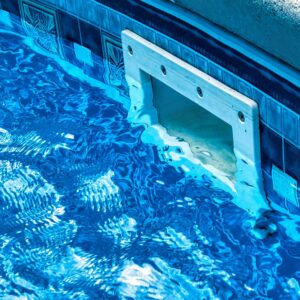
Bring the water level back to the normal operating point for your skimmer or weir. A level that is too low can draw air into the system, while an overfilled pool can weaken surface skimming.
Walk around the pool and inspect the coping, tiles, grout, interior finish and visible plumbing lines.
Watch for cracks, loose tiles, staining, damp patches or a water level that drops after topping up. These other signs can point to a leak or surface problem that needs assessment.
3. Remove Leaves, Dirt and Other Debris
Use the pool skimmer to remove floating leaves, insects and twigs. Empty the weir basket and pump basket, then brush the steps, corners, pool walls and floor to loosen dirt and early algae buildup.
Vacuum settled material slowly. If the pool contains a heavy layer of winter debris, ask a pool professional whether your system should vacuum to waste rather than sending the load through the filter.
4. Inspect the Pool Pump and Filtration System
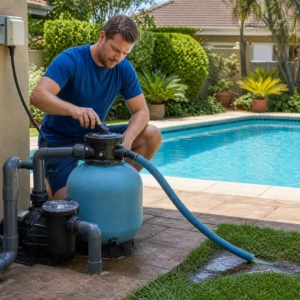
Switch off power at the isolator before opening a pump basket or touching equipment. Check the pump lid, seal, basket and visible pipe connections for cracks, leaks or damaged O-rings. After restart, listen for unusual noises and look for air bubbles that continue at the return jets.
Read the filter gauge against the clean-pressure baseline in the manufacturer’s instructions. Sand and DE filters use model-specific backwash and rinse sequences, while cartridge filters are removed and cleaned rather than backwashed. Use Pool Xpert’s guide on how to backwash a pool if it matches your filter type.
Persistent leaks, poor flow, tripped power or a pump that will not prime belong with a qualified technician. Pool Xpert’s pool repair service can assist with pumps, filters, heaters and related faults. If equipment needs replacement, compare compatible pumps and filters only after the pool volume, plumbing and required flow have been checked.
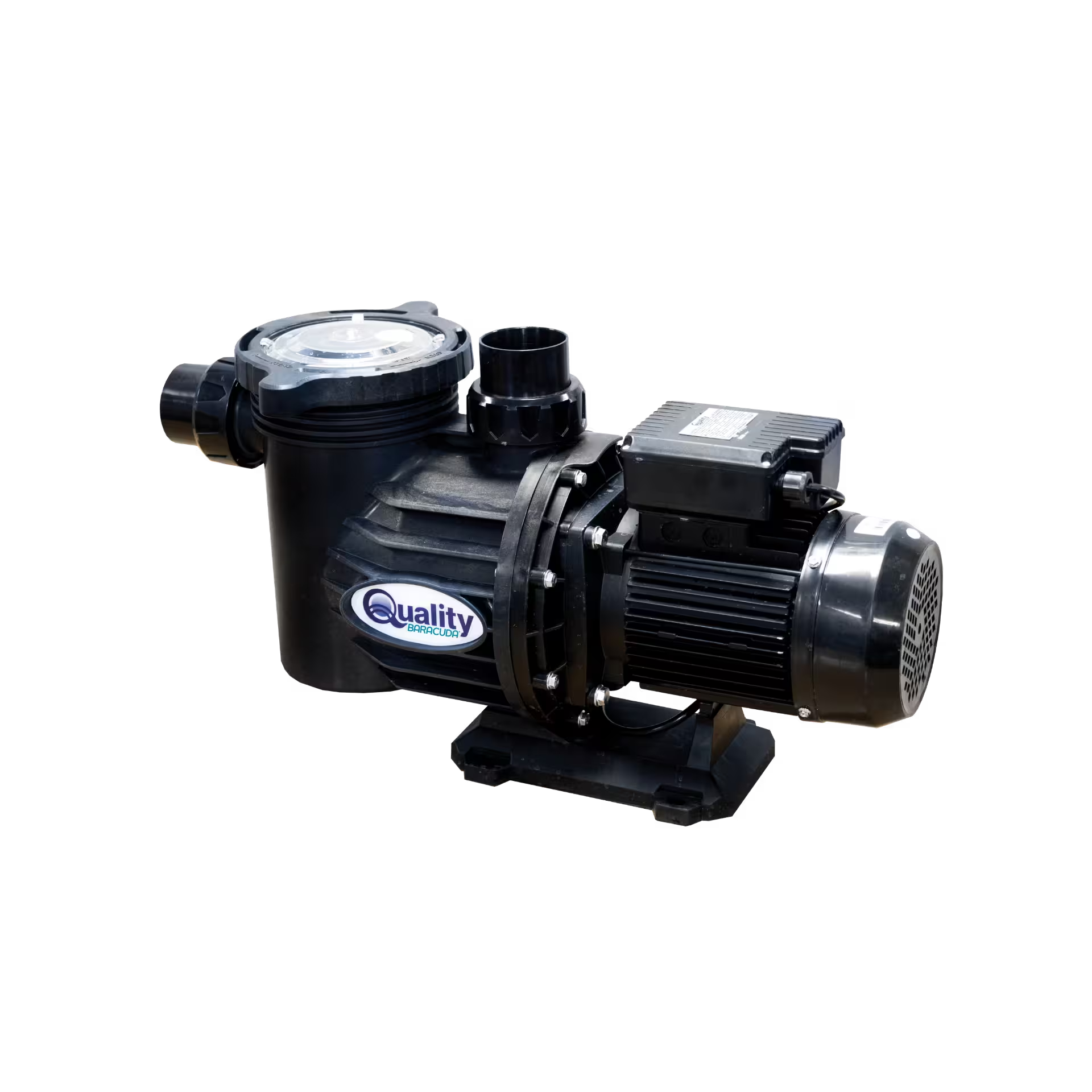
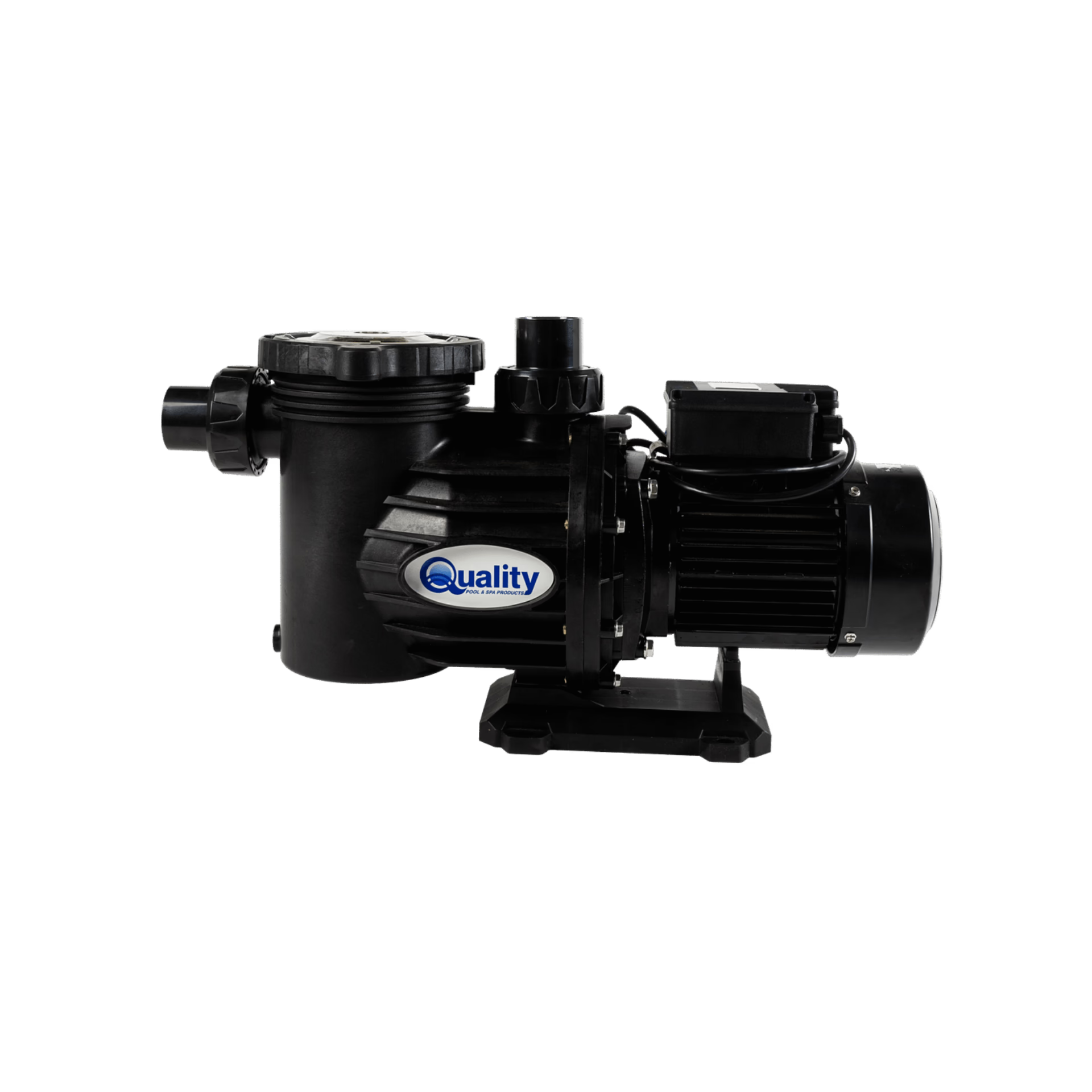
Meet the Titan of Pumps
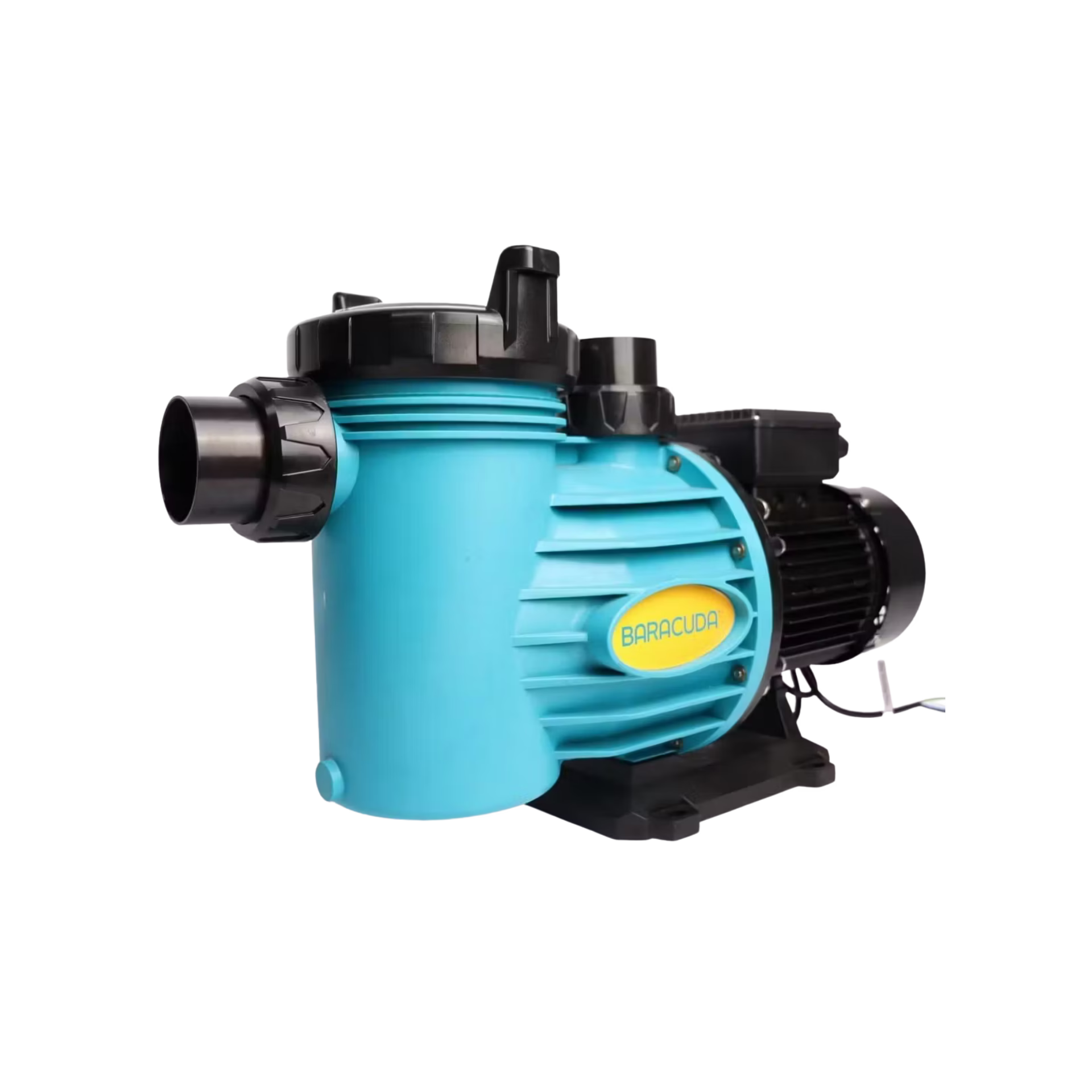
In a world increasingly leaning towards eco-consciousness, the Baracuda Titan 2 variable speed pumps and the Baracuda Titan 2 eco pump come as a breath of fresh air. They’re not just planet-friendly; they’re wallet-friendly too! Dive into the dual benefits of these marvellous machines, which prioritise both the environment and your budget.

5. Test and Balance the Pool Water
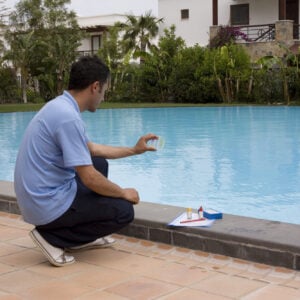
Test the pool water before adding chlorine, pool shock or any balancing chemical. A complete check can include free chlorine, pH levels, total alkalinity, stabiliser and calcium hardness, based on the pool surface and sanitising system.
Correct one reading at a time and follow the label sequence. Give the water circulation system the stated time between products, then retest before making another change. Pool Xpert’s pool water chemistry guide explains the main readings and why balance affects water quality, swimmer comfort and pool equipment.
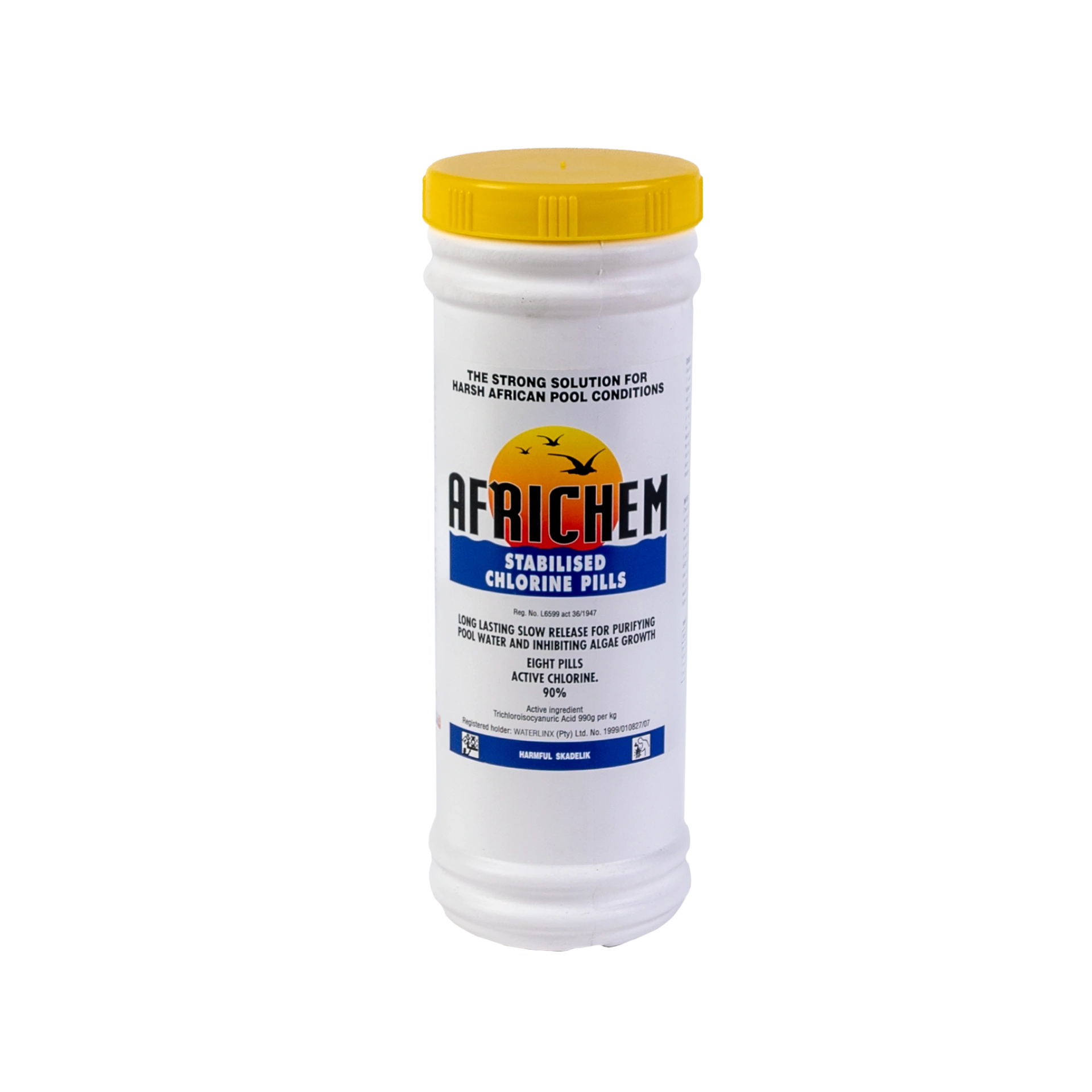
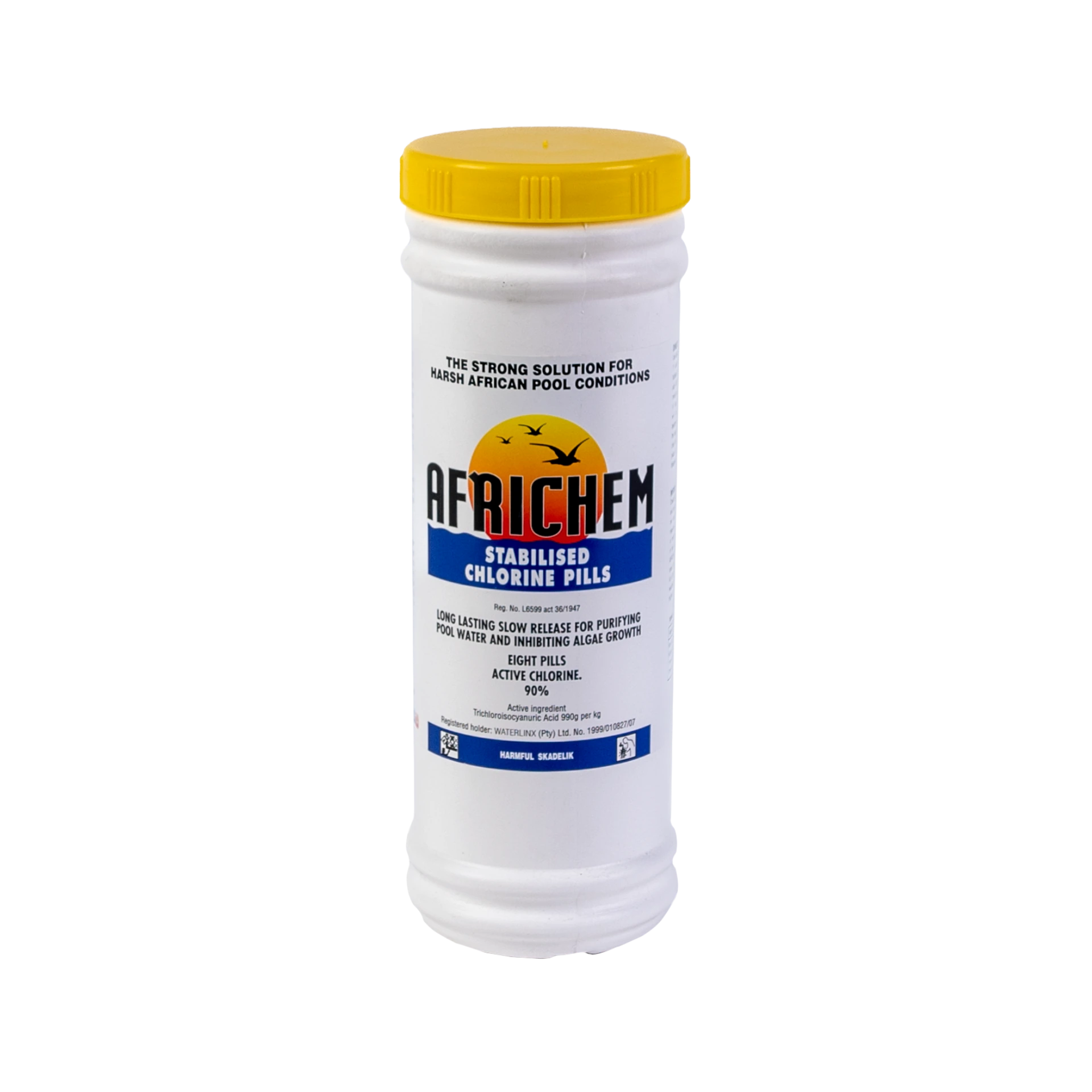
If your results and product instructions point to a slow-release sanitising option, the Africhem Big 5 Multi Performer Floater is one current Pool Xpert product to review. Match every treatment to test results rather than adding extra chlorine to water that already looks clear.

6. Treat Green or Cloudy Water Methodically
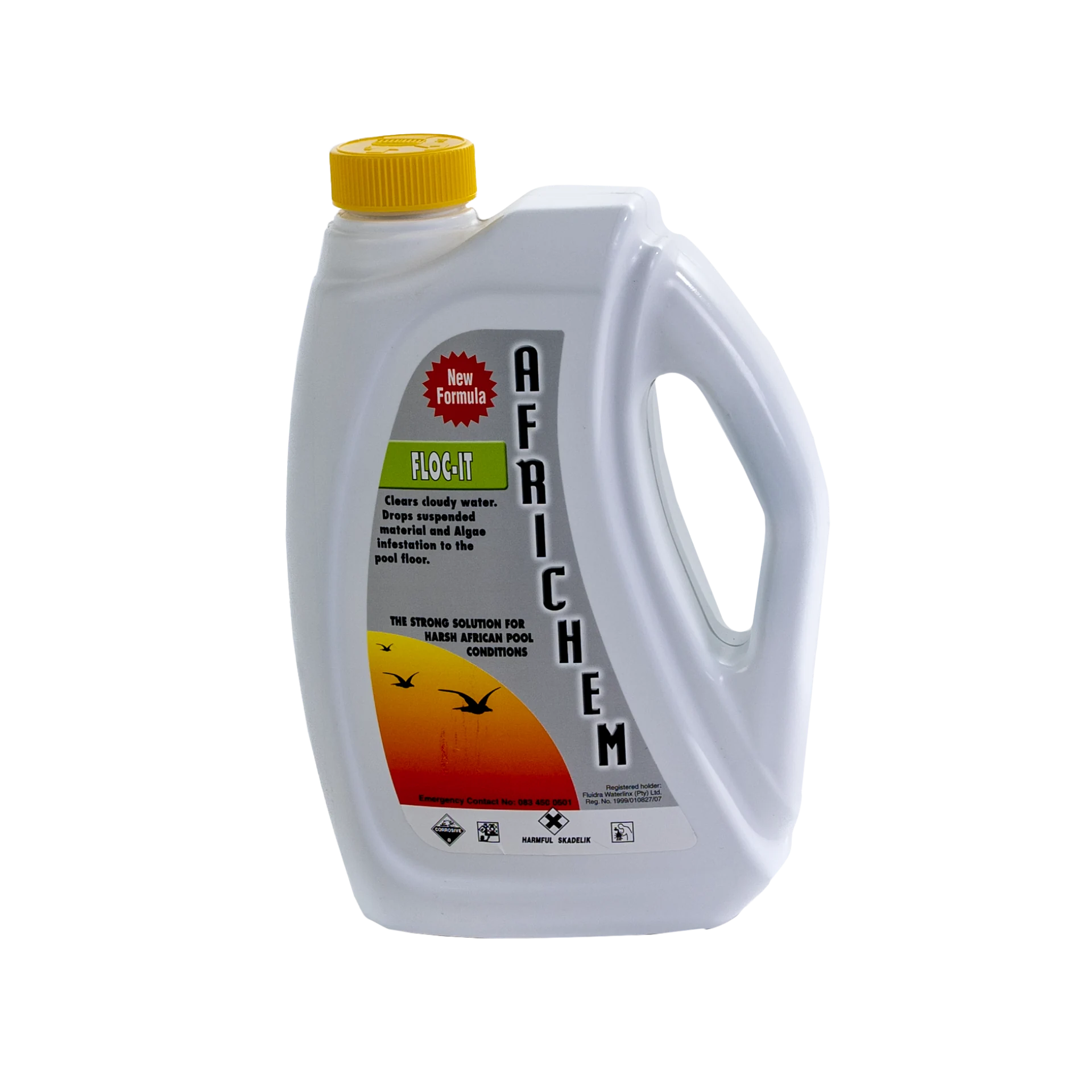
Green or cloudy water needs more than a single product. Check circulation, filter condition, chlorine levels, pH and the amount of organic debris before selecting a treatment. Brush affected areas to break up algae growth and let the filtration system capture suspended material.
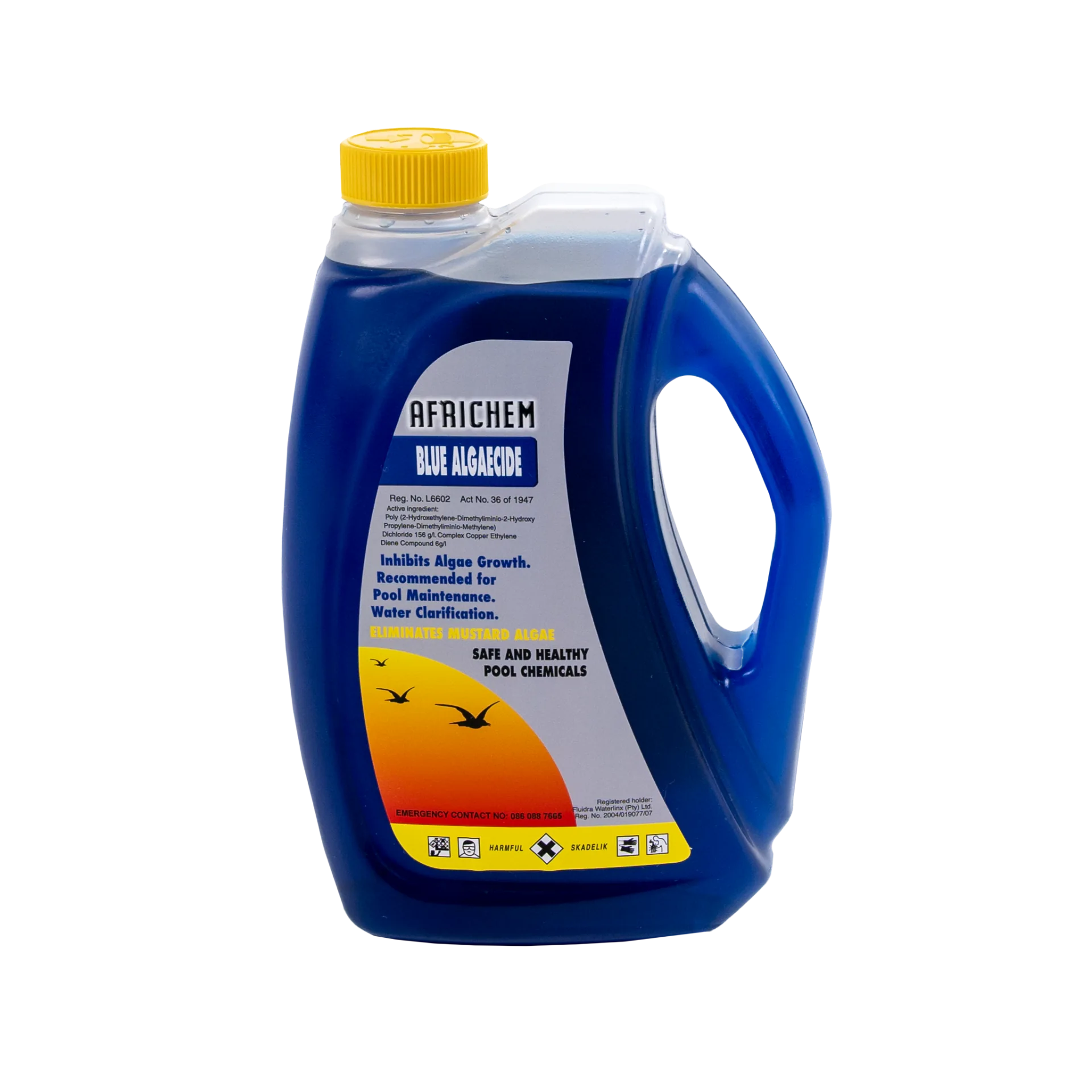
An algaecide can support an algae treatment when the water test and label call for it. Africhem Algaecide 2L is a current option for mustard algae control, but it does not replace balanced pool chemistry, working filtration or brushing. Keep the pool closed until the water is clear, readings are within the product guidance and the stated waiting period has passed.

7. Check the Cleaner, Hoses and Return Jets
Inspect cleaner hoses for splits, stiff sections and loose connections. Check the cleaner head, diaphragm, tracks, wheels or brushes according to the model, then clear the pool jets and point them to support steady water circulation.
Remove an automatic cleaner before a shock treatment if its manual calls for it. The guide on how to maintain your pool cleaner covers common care steps. If the current unit is worn out, browse automatic pool cleaners or review a current suction cleaner such as the Zodiac AX20 Activ Combi.
We can’t sing enough praises for Zodiac pool cleaners! Whether it’s the efficiency of the Zodiac AX20 Activ, the meticulousness of the Baracuda Tracker, or the reliability of the Zodiac Pacer, these are the heroes you want in your corner.

8. Set a Summer Pool Maintenance Routine
Spring pool maintenance is the reset; a weekly routine keeps the pool clean after that. Skim debris, brush low-circulation areas, empty baskets, test the water and inspect the equipment at regular intervals.
Pump runtime depends on pool volume, flow rate, bather load, weather and the equipment specification. Use the manufacturer’s turnover guidance rather than one fixed number for every pool. Pool Xpert’s article on a daily filtration schedule gives more context.
New pool owners can also use the pool maintenance for beginners guide for the core ideas of circulation, cleaning and pool chemistry.
Common Spring Pool Maintenance Mistakes
Adding Chemicals Before Testing
Clear water is not proof that the water chemistry is balanced. Test first, record the readings and apply only the treatment called for by the results and product label.
Changing a Valve While the Pump Is Running
Moving a multiport valve under pressure can damage the valve, seals or filter system. Switch the pump off before changing any valve position.
Ignoring Small Leaks and Unusual Noises
A slow drip, air in the return line or a new pump sound can become an expensive failure. Stop the equipment if operation looks unsafe and book an inspection.
Treating Products as Interchangeable
Pool shock, stabilised chlorine, algaecide and clarifier have different jobs. More product is not a shortcut to balanced pool water, and combining products can create a serious hazard.
When to Book Professional Pool Maintenance
Call a professional when the pool loses water, the pump will not prime, electrical protection trips, water stays green after correct treatment, or the pool surface shows structural damage. A technician can test the system, diagnose the cause and recommend repairs without trial-and-error chemical use.
Pool Xpert offers pool maintenance services for routine cleaning, water care, equipment checks and specialised treatment across its network.

Frequently Asked Questions
How do I prepare my swimming pool for summer?
Remove the cover and winter debris, restore the water level, inspect the pool equipment, clean the filter, test and balance the water, brush and vacuum the pool, then check the cleaner and circulation. Complete repairs before the pool returns to regular use.
What chemicals should I add when opening my pool?
The answer comes from the water test, pool surface, sanitising system and product label. Test before treatment and correct readings in the order supplied by the product or pool professional. Never mix chemicals or guess doses.
Should I run my pool pump in daylight or at night?
Run the pump long enough to meet the turnover and filtration needs of the pool. Timers, local electricity rules, solar heating, bather load and equipment type can affect the best schedule. The pump and filter manuals take priority.
What regular maintenance does a pool need?
A practical routine includes removing debris, brushing, vacuuming, emptying baskets, testing pool water, checking water level and inspecting the pump, filter, cleaner and visible plumbing. Adjust the frequency when storms, heavy swimming or algae place extra load on the pool.
Get Your Pool Ready for Spring
A careful pool maintenance checklist protects the equipment and gives water treatment a better chance to work. Start with cleaning and inspection, restore circulation, test the water and build a routine that carries the swimming pool into summer.
Need help getting your pool ready for spring? A local Pool Xpert can check your water, equipment and cleaning setup before swimming season starts. Find an Xpert near you.