
Whether you are a new pool owner or have just taken over your own maintenance for the first time, knowing how to backwash a pool is one of the most essential skills you can have.
Backwashing is a filter cleaning method that reverses the flow of water through your filter system, flushing out trapped debris and contaminants that build up over time.
In this guide, we cover everything you need to know: what backwashing is, which filter type you have, the full step-by-step process, how often to do it, when not to, and a few tips to help you avoid the most common mistakes.
What Is Backwashing a Pool?
Your pool filter works by pushing water through a filter medium, most commonly sand, which traps debris, dirt, oil, and contaminants as the water passes through it. Clean water is then returned to the pool. It’s a simple and effective system, but it has one unavoidable problem: over time, all that trapped waste builds up inside the filter medium, and the filter starts to clog.
As debris builds up, resistance through the filter increases. This usually shows up as higher pressure on the gauge and reduced water flow. If the filter is not cleaned, circulation and filtration become less effective, which can contribute to cloudy water and place unnecessary strain on the pump.
This is where the backwashing process comes in. Rather than pushing water through the filter in the usual direction, backwashing reverses the flow, lifting and agitating the sand, dislodging the trapped waste, and flushing it out through the waste line or backwash hose. Once the filter medium is clean, pressure drops back to its normal level and water flows freely through the system again.
What Type of Pool Filter Do You Have?
Before you start, it’s worth knowing which type of pool filter system you have, as the backwash process differs slightly between them.
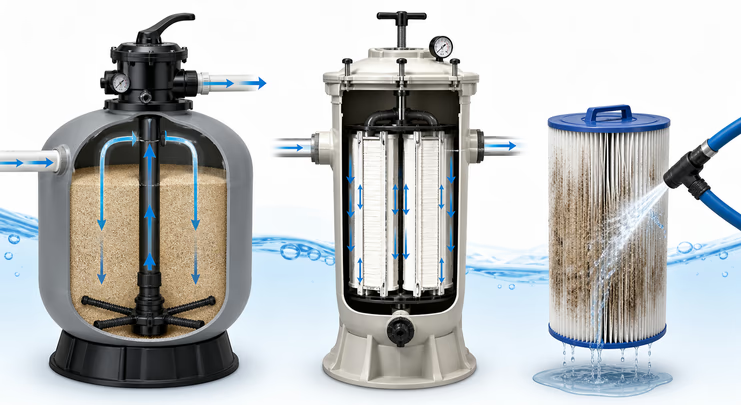
There are three main filter types found in South African pools: sand filters, DE filters, and cartridge filters.
Sand filter
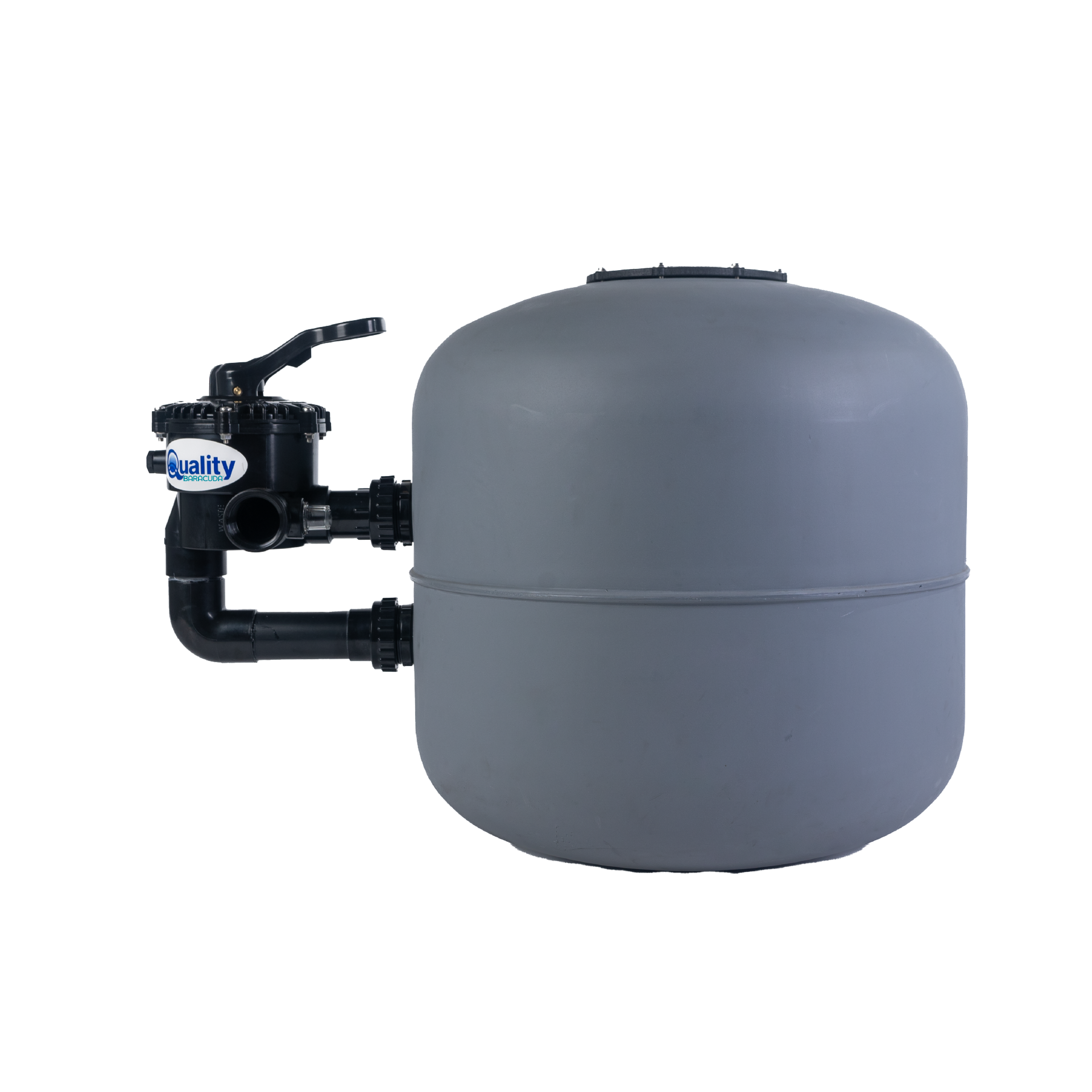
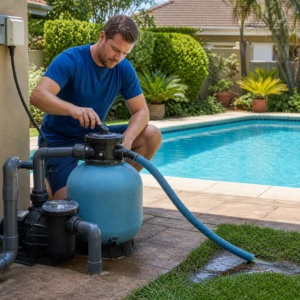
The sand filter is the most common pool filter type in South African residential pools. It uses sand as the filter medium, trapping debris and contaminants as water is pushed through it.
Sand filters are straightforward to backwash using the multiport valve, which is why they’re the main focus of this guide.
Filter sand does not need to be replaced on a fixed two- or three-year schedule. Its service life varies with the filter, water chemistry and maintenance, so follow the manufacturer’s guidance and replace it when inspection or declining performance shows it is necessary.
DE (diatomaceous earth) filter
A DE filter uses diatomaceous earth powder as the filter medium, which offers finer filtration than sand and can capture smaller particles.
DE-filter cleaning and valve sequences vary by model. Backwashing is normally followed by recharging the filter with the manufacturer-specified amount of fresh DE powder, while a full teardown is a separate periodic cleaning task.
Unlike sand, DE powder needs to be recharged with fresh powder after each backwash.
Cartridge filter
Cartridge filters do not use backwashing at all. Instead, the cartridge needs to be manually removed and hosed down to clean it.
If you have a cartridge filter, consult your manufacturer’s instructions for the correct cleaning process. This guide focuses on sand and DE filters only.
How to Backwash a Pool Sand Filter (Step by Step)
Most residential sand filters use similar backwashing principles, but valve types and labelled positions vary. Some systems use a multiport valve and others use a slide or push-pull valve, so check the labels and the manufacturer’s manual before following the general steps below.
Changing the valve while the pump is running can cause serious damage to your filter system.
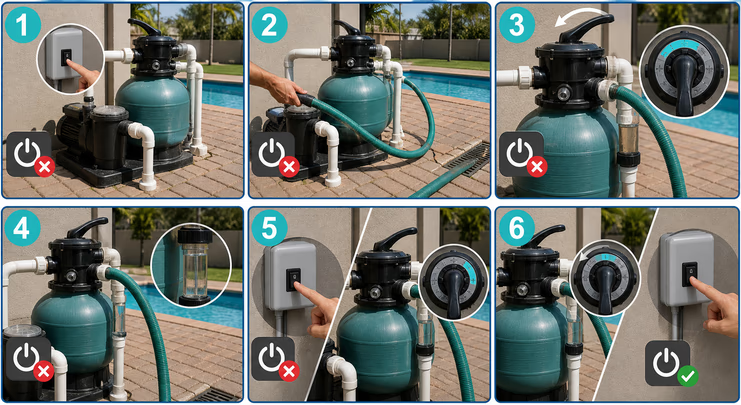
Step-by-Step Backwash Process
- Turn off the pool pump.
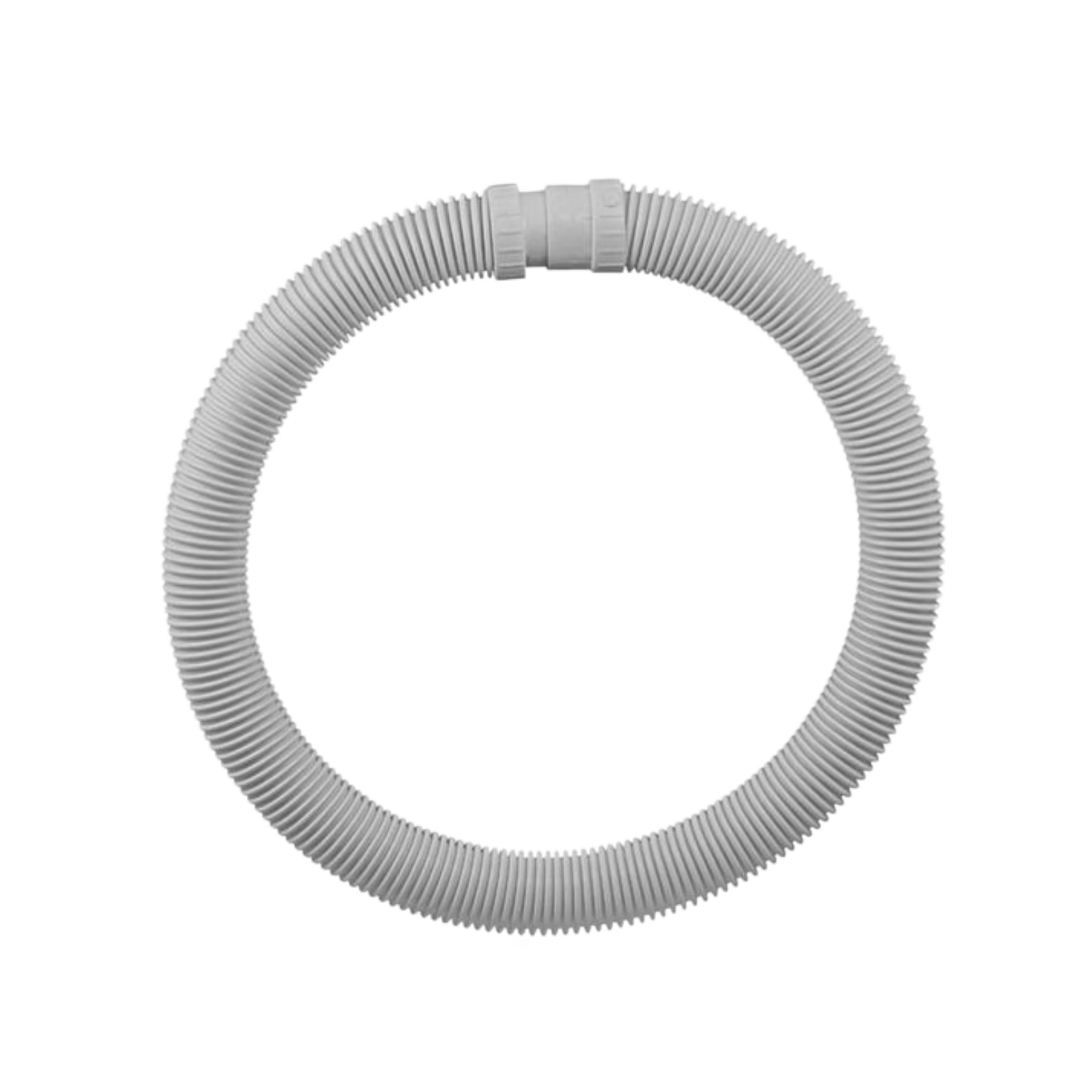
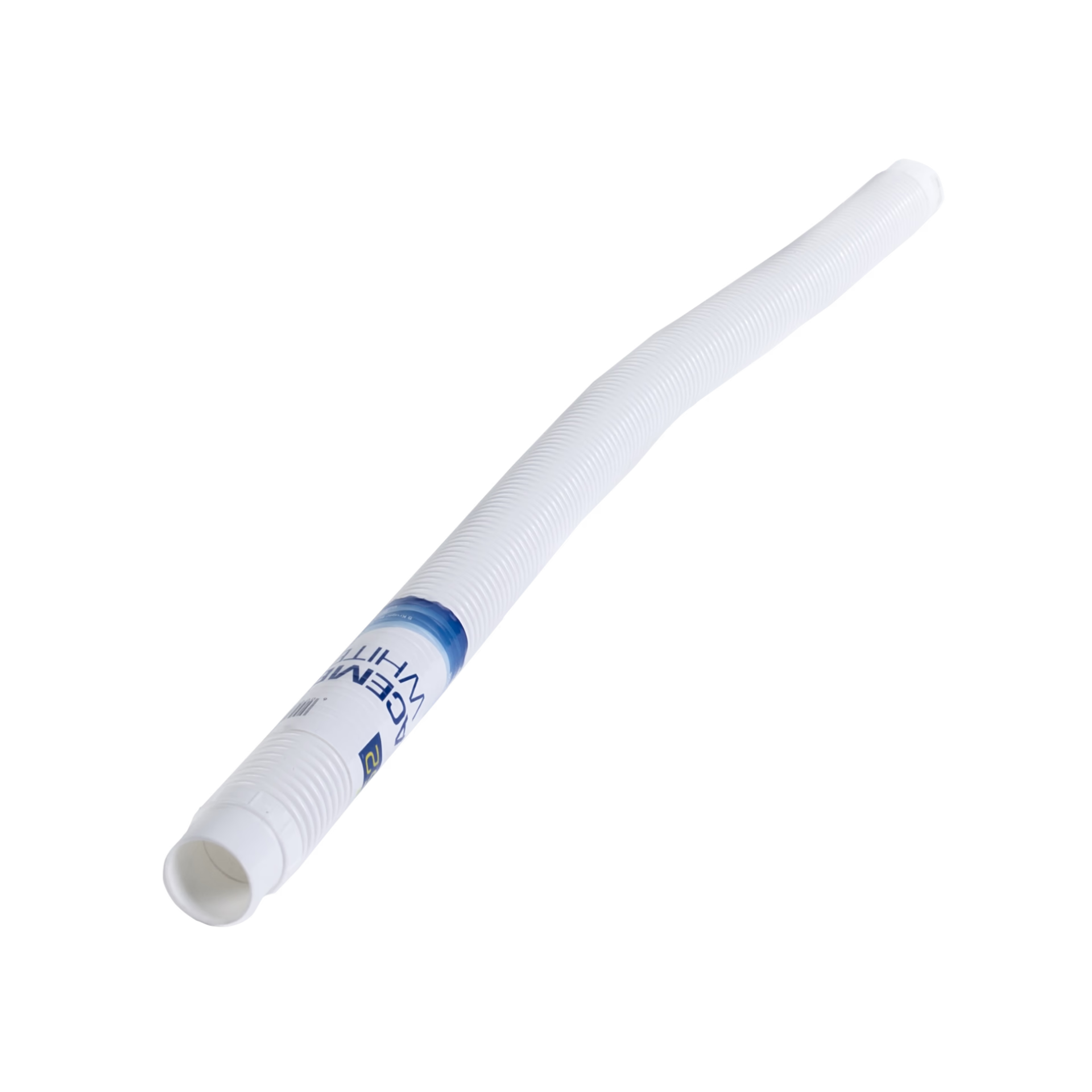
- Attach the backwash hose to the water outlet on the multiport valve. Position the other end well away from the pool so the discharged water drains safely.
- Set the filter valve handle to the Backwash position and ensure the handle locks in place.
- Turn the pump on and backwash until the water in the sight glass or waste line runs clear, following the minimum or maximum time in your filter manual.
- Turn off the pump.
- Set the filter valve handle to the Rinse position and ensure the handle locks in place.
- Turn the pump on and run the rinse cycle for the time specified in the filter manual, commonly around 20 to 60 seconds, or until the sight glass is clear.
- Turn off the pump.
- Reset the filter valve to the Filter position and ensure the handle locks in place.
- Turn the pump back on.
Your pool is now running through a clean filter. If the water in the sight glass did not run clear during the backwash cycle, repeat the process before moving on to the rinse setting.
How to Backwash a DE (Diatomaceous Earth) Filter
Backwashing a DE filter is model-specific. Use the manufacturer’s instructions for the valve sequence, cycle duration, DE quantity and periodic grid or element cleaning.
- Turn off the pump before touching any valve settings.
- Set the valve to the Backwash position and turn the pump on. Watch the sight glass or filter view glass and wait for the water flow to run clear.
- Turn the pump off before changing the valve position. Follow the filter manual for any rinse or repeated backwash sequence, as not every DE system uses the same valve settings.
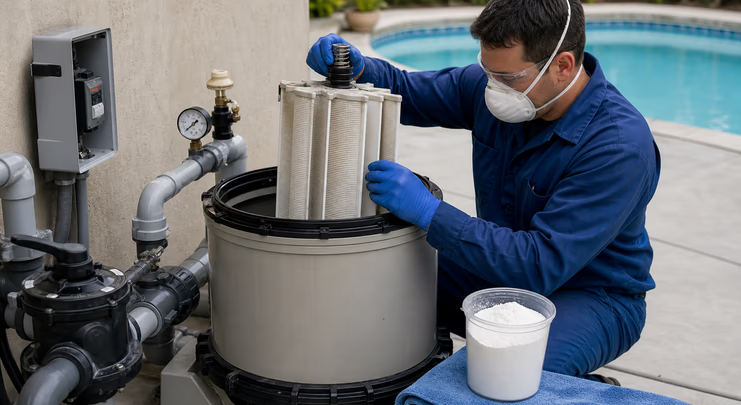
- A full teardown is separate from a routine backwash. Before opening the tank, isolate the power, release all internal pressure and follow the manufacturer’s safety and disassembly procedure.
- For a full clean, open the air-relief valve and drain the tank only after the pump is off and the pressure gauge reads zero. Remove the drain plug only if the manufacturer’s procedure calls for it.
- Collect spent DE carefully, avoid creating airborne dust, and dispose of it according to the product label and local municipal rules. Do not discharge DE or chemically treated pool water into a stormwater drain.
- Reassemble the filter carefully, checking all components are seated correctly. Recharge with the correct amount of fresh diatomaceous earth powder before running the system again.
How Often Should You Backwash Your Pool?
Do not backwash on a fixed weekly schedule unless your filter manufacturer or service plan specifically calls for it. The better triggers are the pressure gauge, reduced return flow and the instructions for your particular filter.
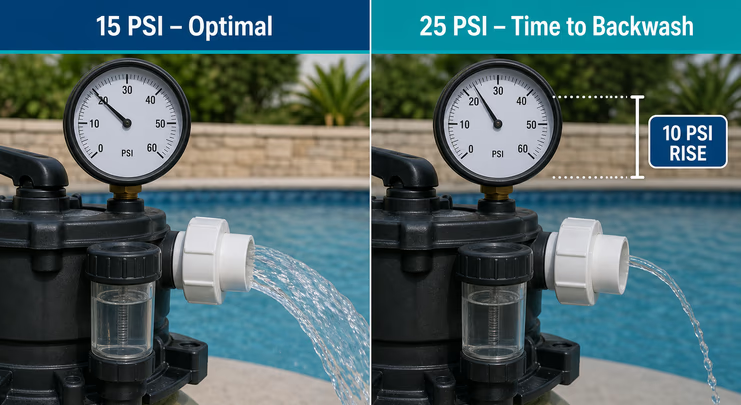
When the filter is clean, record its normal operating pressure. Many manufacturers recommend cleaning or backwashing when pressure rises roughly 8 to 10 PSI above that baseline, but your filter manual takes priority. For example, with a 15 PSI clean baseline and a 10 PSI trigger, you would backwash at about 25 PSI.
After a major storm, heavy leaf fall, or algae treatment, monitor pressure and flow more frequently, as the filter may load up quickly. Backwash when the pressure or the manufacturer’s guidance indicates it is needed; settled algae or heavy debris may be vacuumed to waste where local discharge rules allow.
Deep-cleaning intervals vary by filter model, operating conditions and manufacturer. Inspect and clean internal components at the interval specified in the manual, or sooner if pressure does not return to a clean baseline after backwashing.
One important note: frequent backwashing is not better. Over-backwashing wastes water unnecessarily and is hard on your system. Let your pressure gauge and sight glass guide you rather than sticking to a rigid schedule.
When Should You NOT Backwash Your Pool?
Backwashing is not always the correct first step, and it should only be used on a filter designed for it.
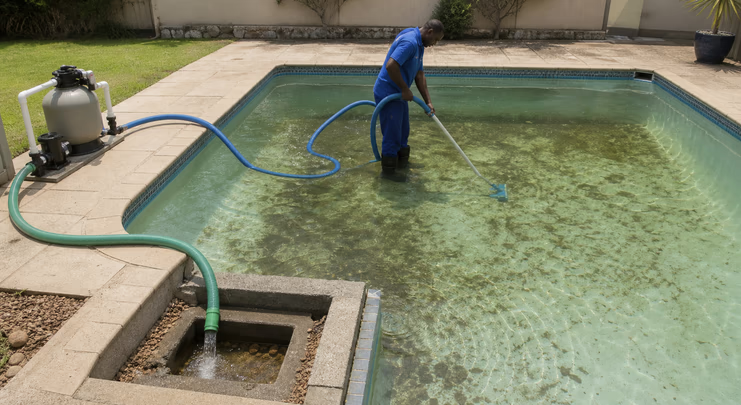
During an algae clean-up, the filter may need more frequent backwashing because dead algae can raise filter pressure quickly. If a heavy layer has settled on the floor, vacuuming to waste can keep that material out of the filter, provided the system supports it, and local rules allow the discharge.
For unusually heavy dirt or debris from construction, roadworks, or a major storm, remove the larger material first. Vacuuming to waste may be appropriate if your system supports it, but route the water only to a lawful discharge point and follow municipal requirements.
If the backwash valve is stiff or hard to turn, switch off the pump and do not force it. Have the valve inspected and use only the lubricant and servicing procedure approved for that valve.
Finally, fitting a pool cover is one of the best things a pool owner can do to reduce debris load and cut down on how often vacuuming and backwashing are needed.
Backwashing Tips and Common Mistakes
A few simple habits will keep your filter system in good shape and help you avoid the most common backwashing mistakes.
Always turn the pump off before moving the backwash valve handle. Changing the valve position while water is flowing can damage the multiport valve, seals or plumbing and may turn a routine maintenance task into a repair.
Do not over-backwash. Once the water in the sight glass runs clear and the manufacturer’s minimum cycle is complete, stop. Continuing unnecessarily wastes water and pool chemicals. Ongoing sand loss usually points to excessive flow or a fault that needs attention.
Always follow the backwash cycle with a Rinse cycle. This resets the sand bed to its correct position and prevents sand blowback into the pool when the system restarts.
Bear in mind that backwashing lowers your water level. Check it afterwards and top up if needed before resuming normal filtration.
After backwashing, take a moment to inspect and clean the skimmer basket and hair catcher before switching the pump back on.
If you are doing a full teardown, inspect seals and components and follow the manufacturer’s tightening and reassembly instructions. Never restart the system until the tank is correctly closed and the air-relief procedure has been completed.
Finally, route the backwash hose to a lawful discharge point where the water cannot return to the pool, damage neighbouring property or enter a stormwater system contrary to local municipal rules.
Final Thoughts About Backwashing a Pool
Backwashing is one of the most straightforward parts of pool maintenance, but doing it correctly and at the right time makes a real difference to your pool filter’s performance and the clarity of your pool water.
If your sand filter needs attention beyond a routine backwash, our guides on why your sand filter may not be working effectively and how to change your filter sand are good next steps. If you are not confident about your filter type, are unsure of your clean pressure baseline, or cannot remember when your filter was last properly serviced, Pool Xpert’s professional maintenance service covers it all, from backwashing and filter checks to chemical balancing, across South Africa.
Explore Pool Xpert’s pool maintenance options, browse the service provider search for help such as pump and filter repairs, water care or green-pool recovery, or find an Xpert near you.
Frequently Asked Questions About Backwashing Your Pool
How many minutes should you backwash a pool?
The exact time depends on the filter and flow rate. Use the manufacturer’s stated cycle and watch the sight glass or waste water: continue until it runs clear, then stop once the required minimum time has passed.
Running it longer than necessary wastes water and pool chemicals. If sand is repeatedly appearing in the waste line or pool, the filter may have a flow or internal-component fault. Find an Xpert for help.
Do you rinse or backwash first?
Always backwash first, then rinse. The backwash flushes debris and contaminants out of the sand filter through the waste line.
The rinse cycle then resets the sand bed back to its correct position for optimum filtration.
Skipping the rinse after backwashing can result in cloudy pool water and sand blowback through your returns.
If you are unsure whether your backwash and rinse process is set up correctly, a Pool Xpert technician can help.
At what pressure should you backwash a pool?
A common guideline is to backwash when the pressure gauge reads about 8 to 10 PSI (pounds per square inch) above the clean starting level, unless your manufacturer specifies another threshold. If the clean pressure is 15 PSI and the manual uses a 10 PSI rise, backwash at about 25 PSI.
To establish your personal baseline, note the pressure gauge reading immediately after a fresh backwash.
That number is your starting level to measure against going forward.
How do you backwash a pool in South Africa?
Many South African residential pools use a sand filter with a multiport valve, so the general process above is often applicable. Check your valve labels and filter manual first, as equipment configurations differ.
Valve types and position labels differ between filter models, so the equipment manual should always take priority. If you are unsure about your filter type or clean-pressure baseline, use Pool Xpert’s service provider search to find pump and filter inspection or repair support.
You can also view Pool Xpert’s pool maintenance service or find an Xpert near you.