Subscribe & get 10% of your first order at any Pool Xpert Outlet

Buy Chlorine Sanitisers in South Africa

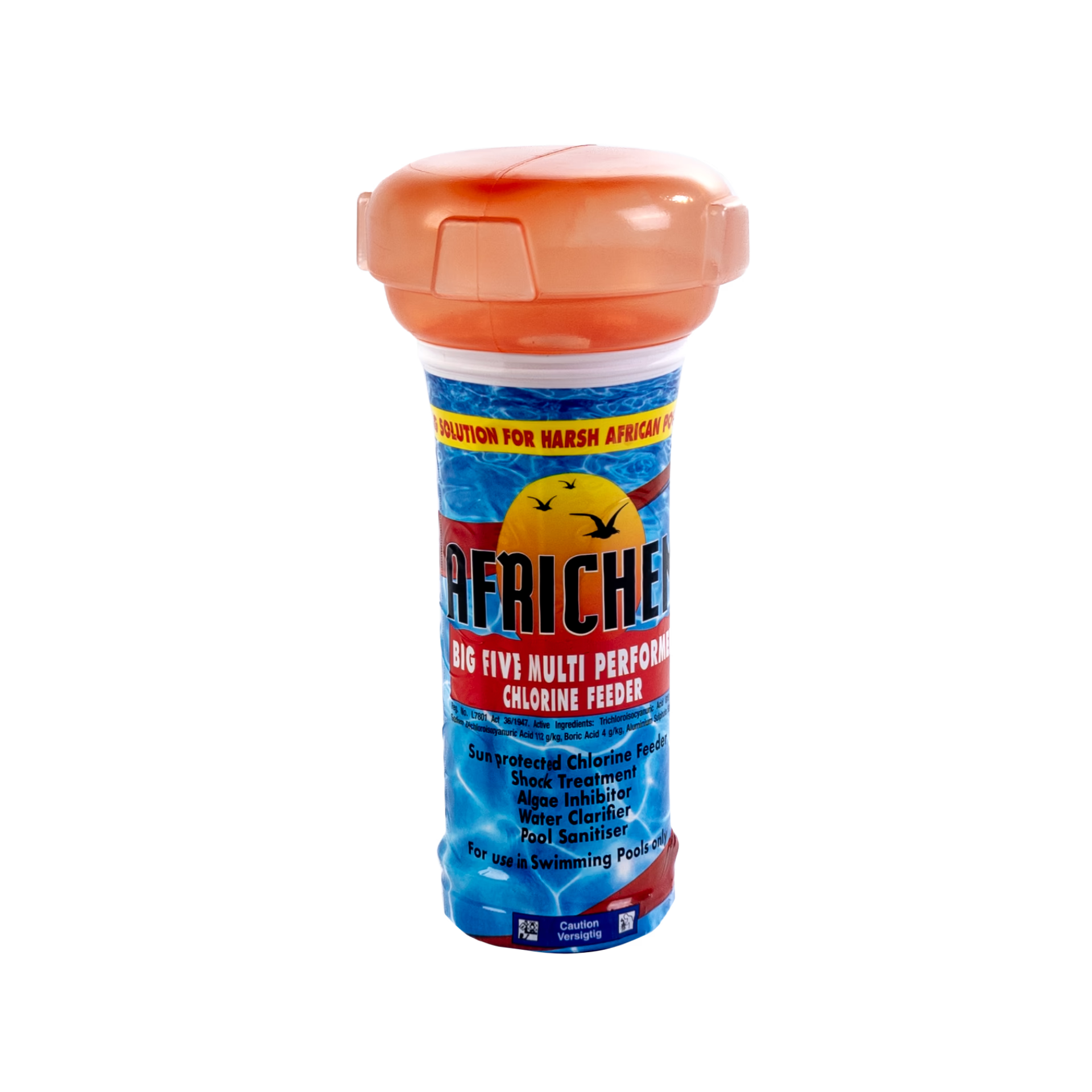
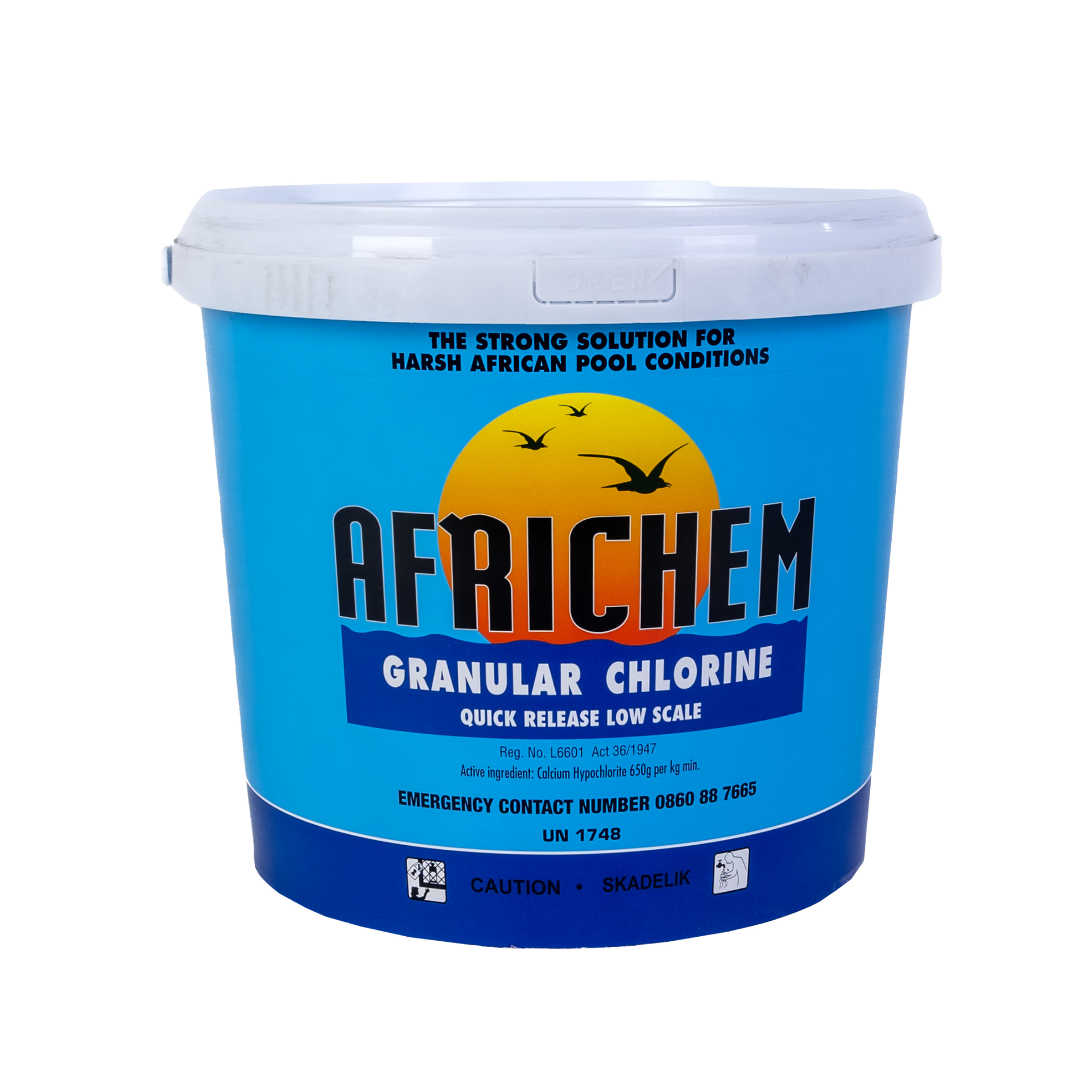
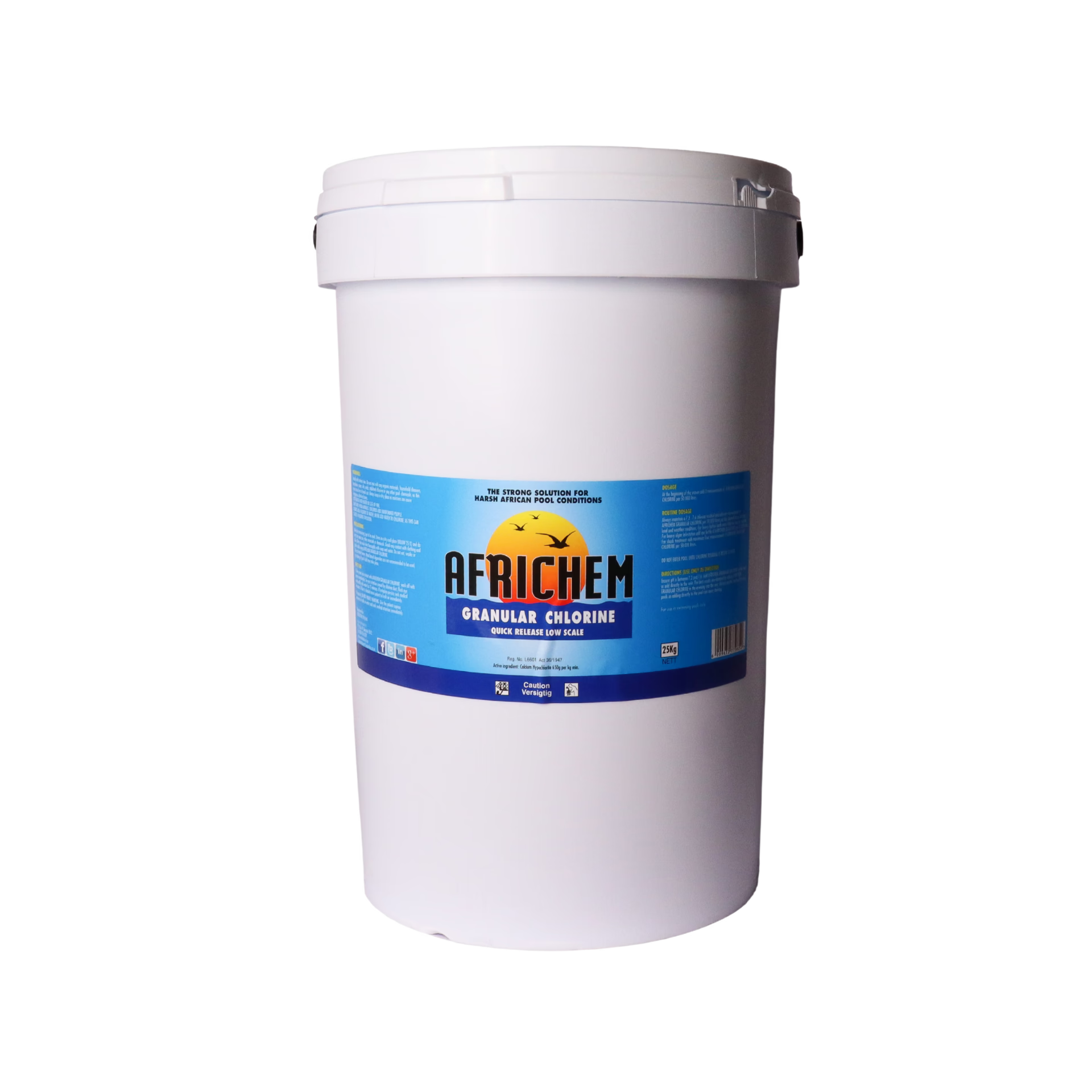
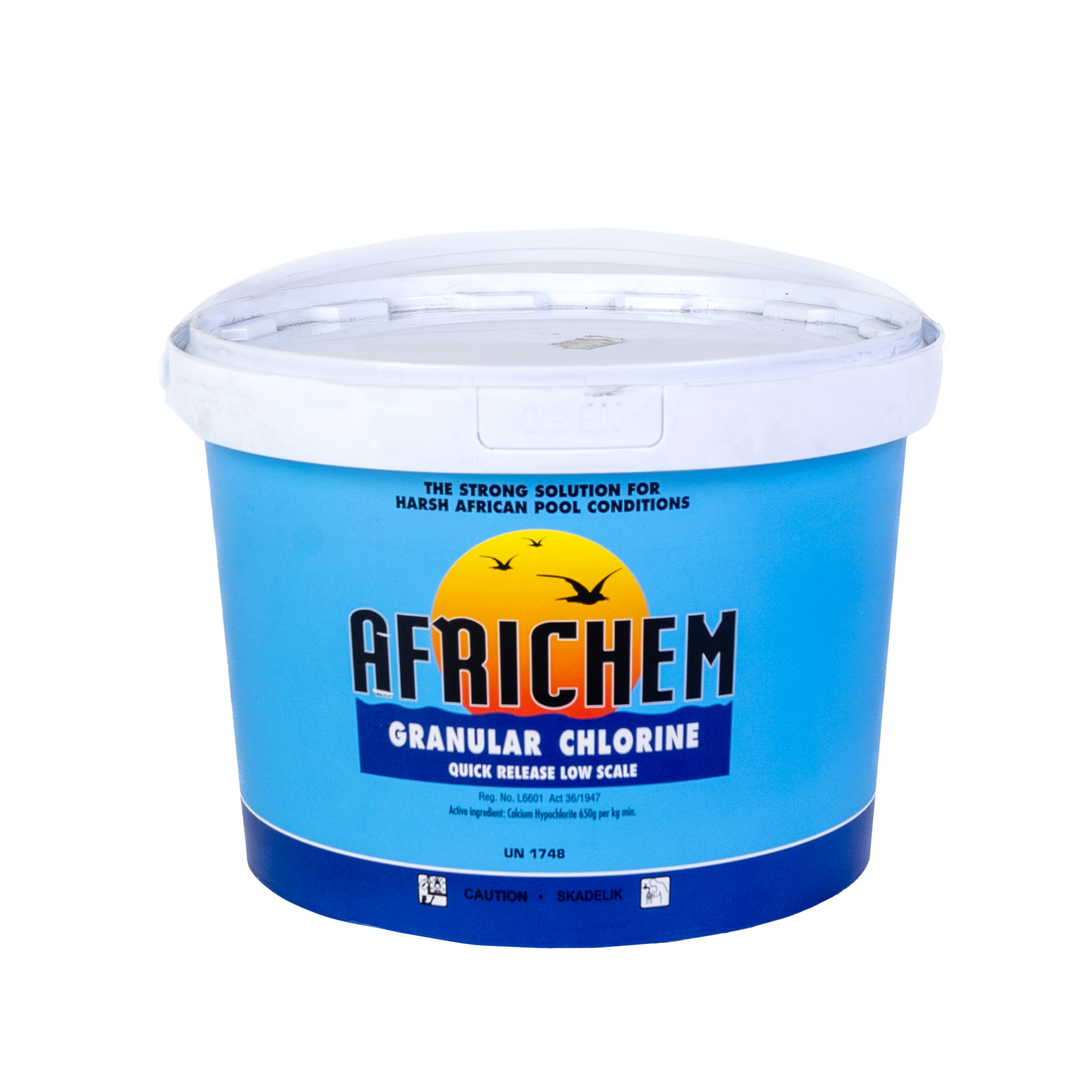
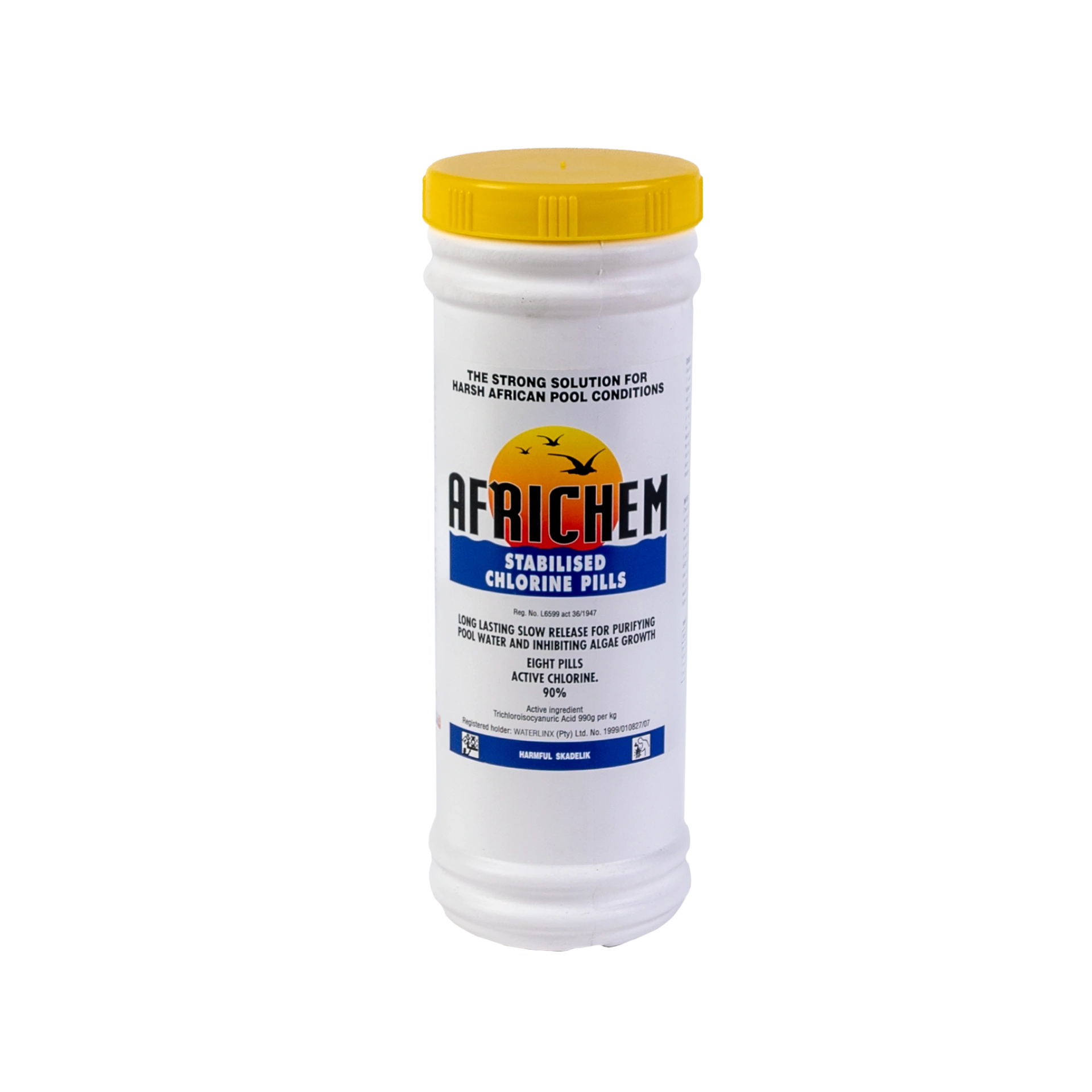
Chlorine sanitisers are the most trusted way to keep a swimming pool clean and safe to swim in, killing bacteria and algae in your pool water. Pool Xpert stocks chlorine sanitisers from Africhem, from granular chlorine to an all-in-one floater.

Request a quote or find your nearest Pool Xpert store.

Trusted by Pool Owners Across South Africa

We stock chlorine sanitisers and other pool chemicals from established brands like Africhem, so you’re dosing your pool water with a reliable, quality-controlled product rather than guesswork.

Frequently Asked Questions About Chlorine Sanitisers

At current South African retail prices, an Africhem 1.5kg multi-performer floater costs about R200–R250, while granular chlorine is roughly R300–R400 for 4kg, R600–R800 for 10kg and R1,700–R1,800 for 25kg. Prices vary by retailer and over time. Buy a pack size you can store safely and use as directed; check current pricing with your nearest Pool Xpert.

A chlorine sanitiser supplies active chlorine that forms mainly hypochlorous acid and hypochlorite ions in water. These deactivate many disease-causing microorganisms, help control algae and oxidise swimmer waste. Its effectiveness depends on pH, sunlight, temperature and contamination, so test free chlorine and pH regularly and follow the product label.

For more detail, see Pool Xpert’s guide, “What is a sanitiser?”

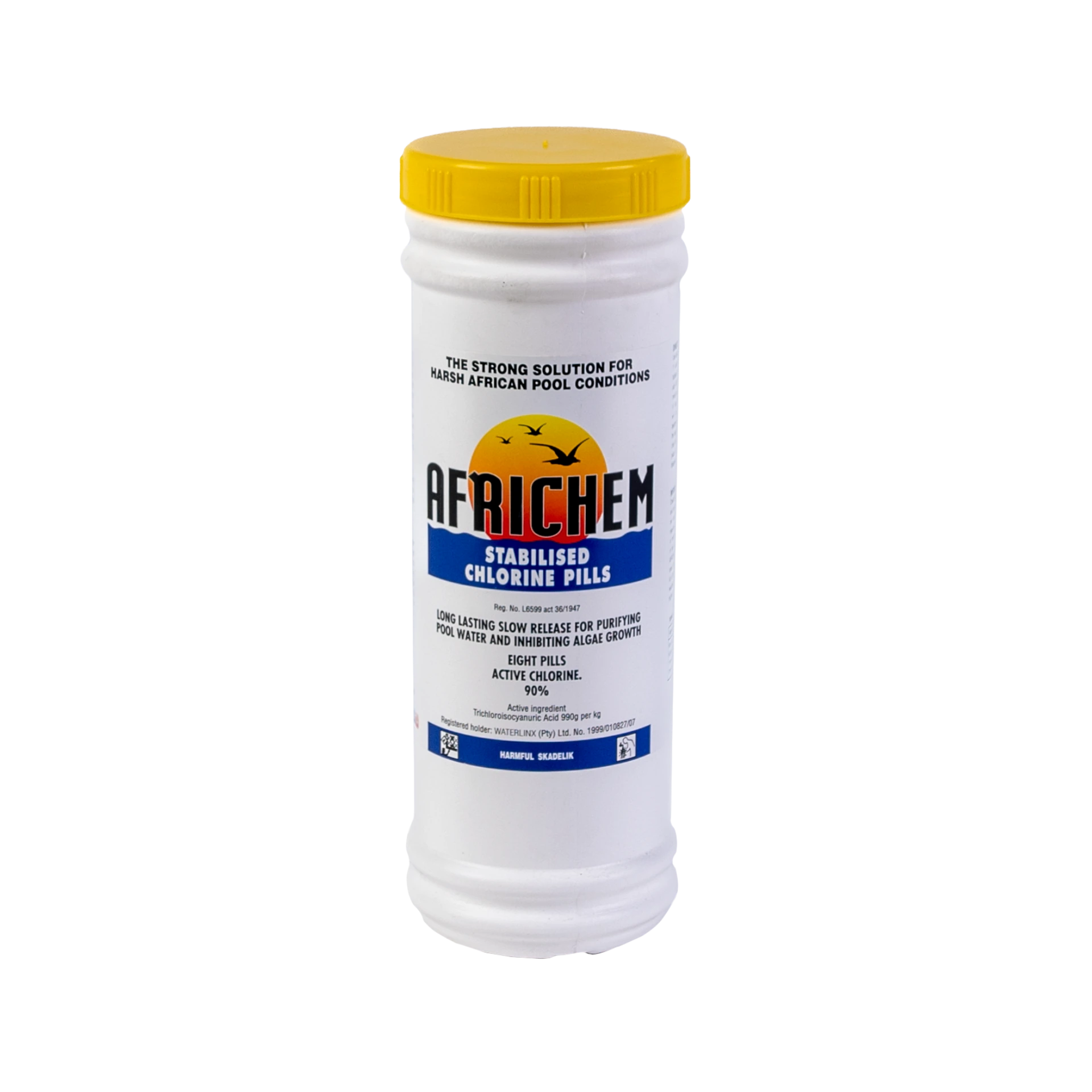
These products all deliver chlorine, but they are not the same chemical or strength. Granular pool chlorine is commonly calcium hypochlorite, liquid chlorine is sodium hypochlorite, and many slow-dissolving tablets and floaters use stabilised trichlor (TCCA). Granules and liquid act quickly, while tablets and floaters release chlorine gradually.

Because the products differ in concentration, pH and calcium effects, and stabiliser content, never substitute equal amounts or mix them. Pool Xpert currently lists Africhem granular chlorine in 4kg, 10kg and 25kg packs, plus the 1.5kg Big 5 Multi-Performer Floater.

The product is the same; choose the pack by pool volume and how quickly you will use it. A 4kg pack is practical for smaller pools or occasional use, 10kg suits many regularly maintained home pools, and 25kg can reduce the cost per kilogram for larger pools or frequent dosing.

Only buy in bulk if you can keep the original container tightly closed, cool, dry and separate from other chemicals.

Use only a sanitiser whose label specifically permits hot-tub or spa use; do not assume ordinary pool granules, tablets or floaters are suitable. Africhem lists separate Spa Tabs for this purpose. Hot water, jets and bather load can use up disinfectant quickly, so test the sanitiser level and pH frequently and follow both the spa and chemical instructions.

Ask your nearest Pool Xpert to confirm the correct product and dose for your unit.

Salt chlorinators are an automated way to produce chlorine from dissolved salt, so a salt pool is not chlorine-free. UV and ozone systems can inactivate microorganisms and help reduce combined chlorine as water passes through the equipment, but they provide little or no lasting residual in the pool and are normally paired with chlorine or bromine.

Copper or silver ionisers can supplement algae and microorganism control, but they also generally require an approved residual sanitiser. Bromine is another residual sanitiser and is often used in heated pools and spas. Compare the options in Pool Xpert’s guide to salt water vs chlorine pools or browse its chlorinators.

A strong “chlorine” smell commonly indicates chloramines, or combined chlorine, formed when chlorine reacts with swimmer waste; it does not automatically mean there is too much free chlorine. Test free chlorine, combined chlorine and pH, and keep swimmers out if readings are outside the product or local guidance.

Correct water balance, filtration, fresh-air ventilation for indoor pools and breakpoint chlorination according to the product label can reduce chloramines. Do not add chemicals based on smell alone. See Pool Xpert’s troubleshooting guide for more help.

Keep chlorine in its original, tightly closed and labelled container in a cool, dry, well-ventilated area away from sunlight, heat, moisture, acids, ammonia, fuel and organic material. Never mix chlorine products with each other or with other chemicals, and never use a wet or contaminated scoop.

Follow the product label and protective-equipment instructions. If pre-dissolving is permitted, add the chemical to water—not water to the chemical—and never return leftover solution or product to the container.


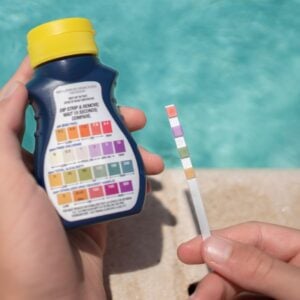
Yes. Effective sanitation depends on maintaining the correct pH and free-chlorine level as well as good filtration and circulation. Test regularly and adjust pH or alkalinity with the appropriate product rather than guessing or increasing chlorine indiscriminately.

Pool Xpert stocks test kits and balancer chemicals alongside chlorine sanitisers, and its pool-maintenance teams can help with broader water-care or filtration issues.

Chlorine is widely available and can be cost-effective, particularly when a suitable larger pack reduces the cost per kilogram. However, the cheapest bucket is not always the lowest running cost: sunlight, warm weather, bather load, debris and poor water balance can all increase chlorine demand.

Regular testing and correct pH help prevent waste and overdosing. Compare products by formulation and available chlorine—not bucket weight alone—and only buy quantities you can store safely.

Need Help Choosing the Right Chlorine Sanitiser?

Not sure whether granular chlorine, tablets or a floater suit your pool best? Our nationwide team of Pool Xperts can help you compare products, work out dosing, and find the chlorine sanitiser that suits your pool, budget and routine.

Contact Pool Xpert for practical, honest advice, or find your nearest expert for hands-on support with dosing, storage and everyday pool sanitation.