
Finding and Repairing a Pool Leak
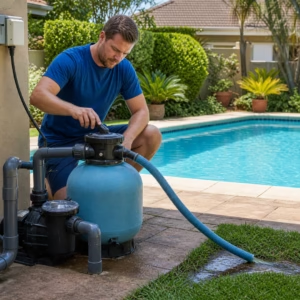
Pool leaks can occur anywhere in or around your pool. Check your entire filtration system area, including the pump, filter, heater, chlorinator, and so forth, before looking for a leak.
Leaks can develop in an in-ground pool due to broken subsurface piping. If you suspect this, contact a local pool technician to inspect and/or pressure test the lines for suspected cracks.
Before you begin looking for the leak, you must first ensure that you have one and that you are not losing water due to evaporation. We propose the bucket approach for assessing whether or not you have a leak because it is simple and inexpensive:
Place the empty bucket in the water on a step of your pool where the top of the bucket is not below the water surface. Fill the bucket with water to match the pool’s water level. Use the marker or duct tape to mark this level inside the bucket.
-

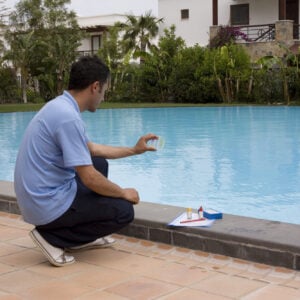
Young overworked business man asking for help holding paper over blue background scared in shock with a surprise face, afraid and excited with fear expression
Bucket Method:
– 15-20L plastic bucket
– Permanent marker
The process:
1. Turn off the pool pump as well as any other auto-refill device you may have.
2. Place the empty bucket in the water on a step of your pool where the top of the bucket is not below the water surface. Fill the bucket with water to match the pool’s water level. Use the marker or duct tape to mark this level inside the bucket.
3. Wait 24 hours and compare the pool water level to the level of water in the bucket. If the pool level is now lower than the level in the bucket, you likely have a leak.
To find the leak yourself without hiring help, we recommend the ink method.
Ink Method:
– A pair of leak-proof, anti-fog goggles
– A snorkel
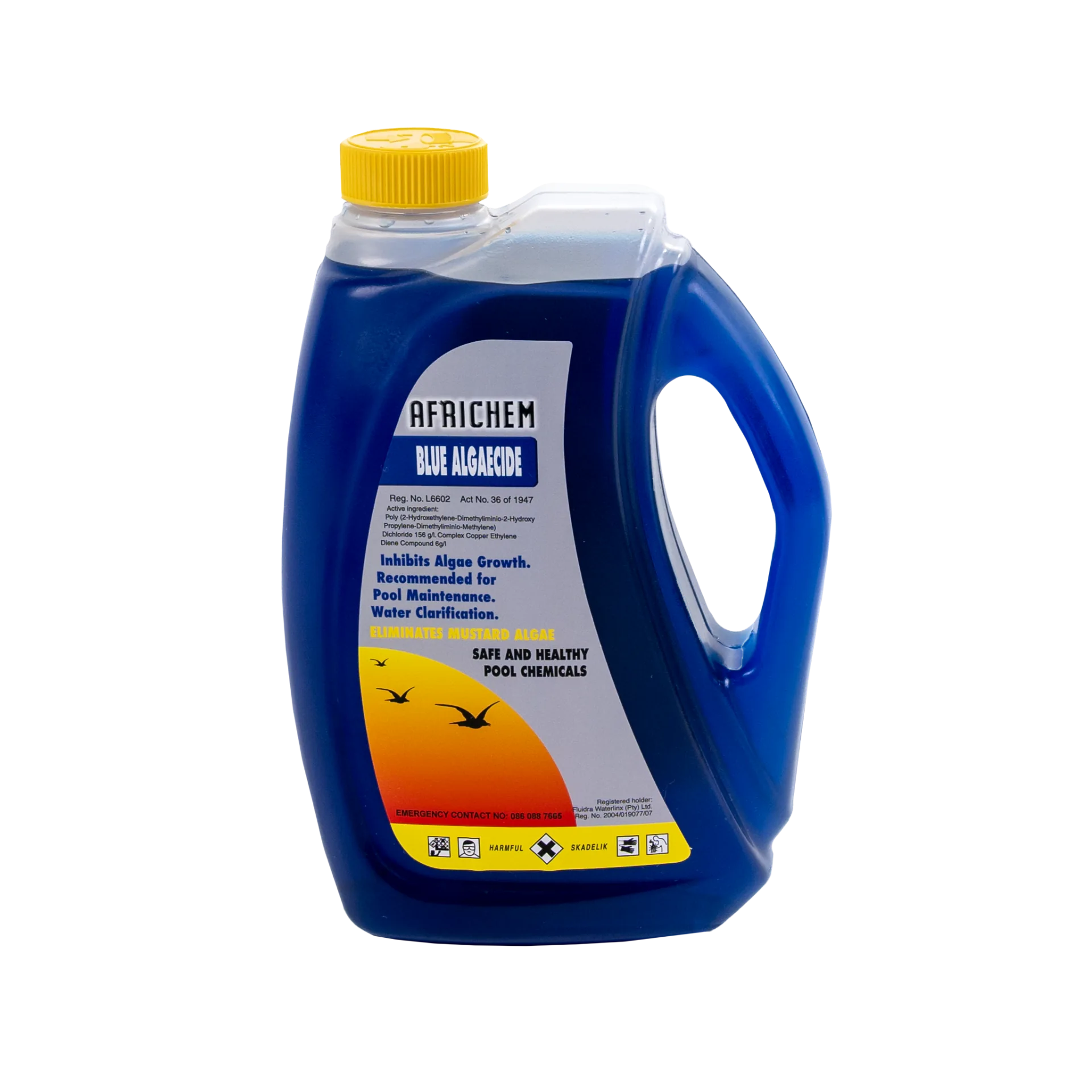
– Leak Finder Dye, or Red or dark food colouring.
The process:
1. Turn off your filtration system and wait for the water to be stagnant.
2. Add the dye where you suspect the leak is, typically this would be near or around any structural opening ie; weir, light, aimflow, main drain etc. or if there are surface cracks visible on the walls. Carefully add the dye under the water near the suspected area and watch to see where it goes. This must be done slowly so as not to disturb the water around where you are working.
2. If you suspect you have found the problem area, there will be a seep into the structure indicating the leak. If the dye remains floating in the water and does not seep into the structure, move to the next point and repeat. Check all the previously identified structural openings and/or cracks before commencing any repair work.
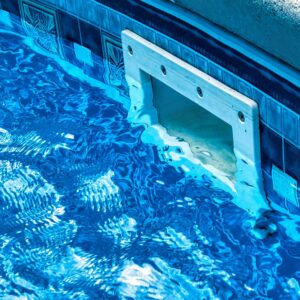
3. Alternatively, you can switch your filtration system off for at least 48h, or until the water level stops lowering. Use the marker and mark the walls every 6h. For example; if the leaking stops at the bottom of the skimmer opening, the leak is likely in your filtration system, or the skimmer body itself could be damaged.

Repairing the leak
If you have a leak, we recommend hiring an Xpert to evaluate your pool because there could be more significant damage as a result of bad workmanship or engineering. However, there are certain do-it-yourself remedies for minor leaks that can be completed with the help of a proper guide:
The three most typical leaks are as follows:
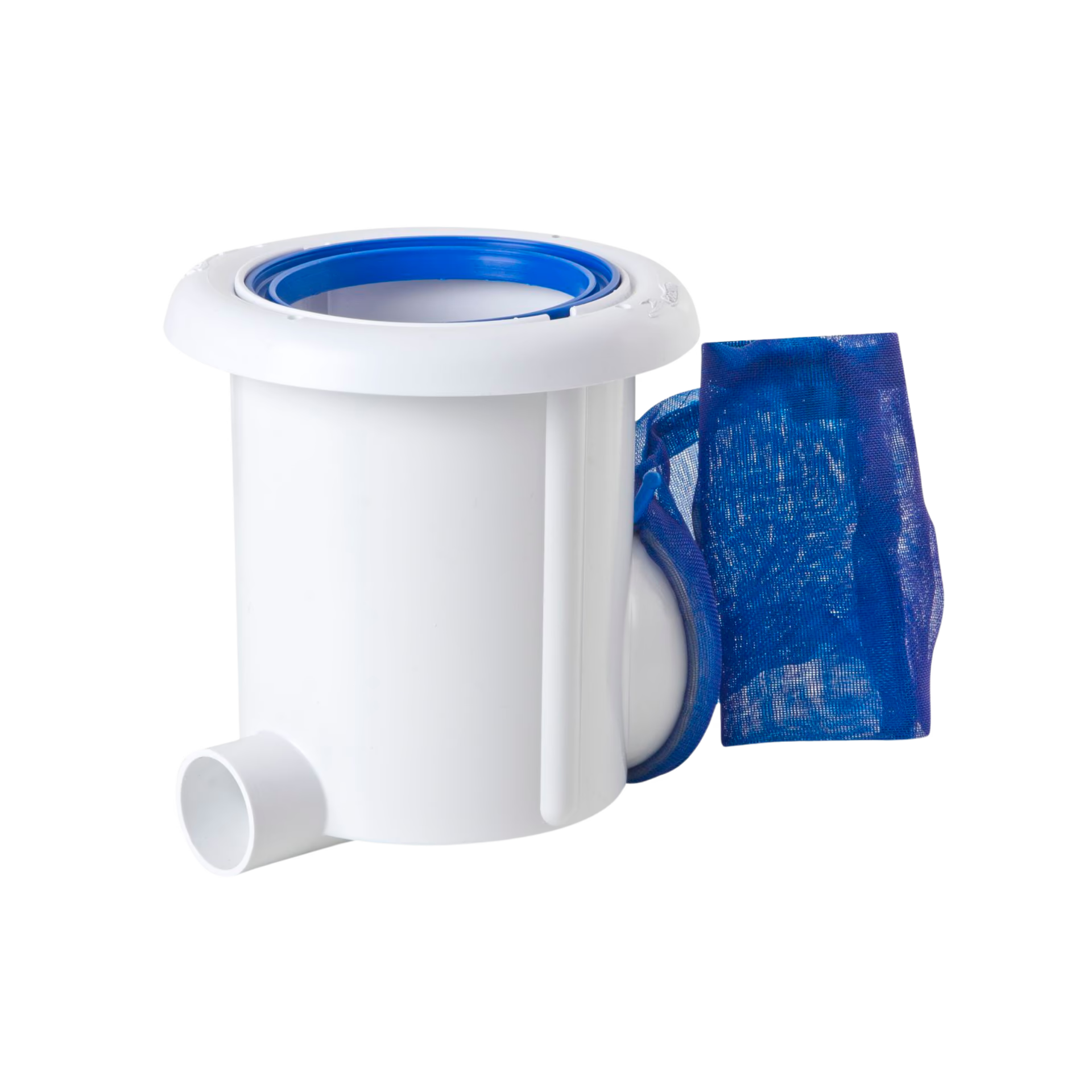
1. Skimmer leaks – A separation between the plastic skimmer and the concrete pool is the most typical type of leak.
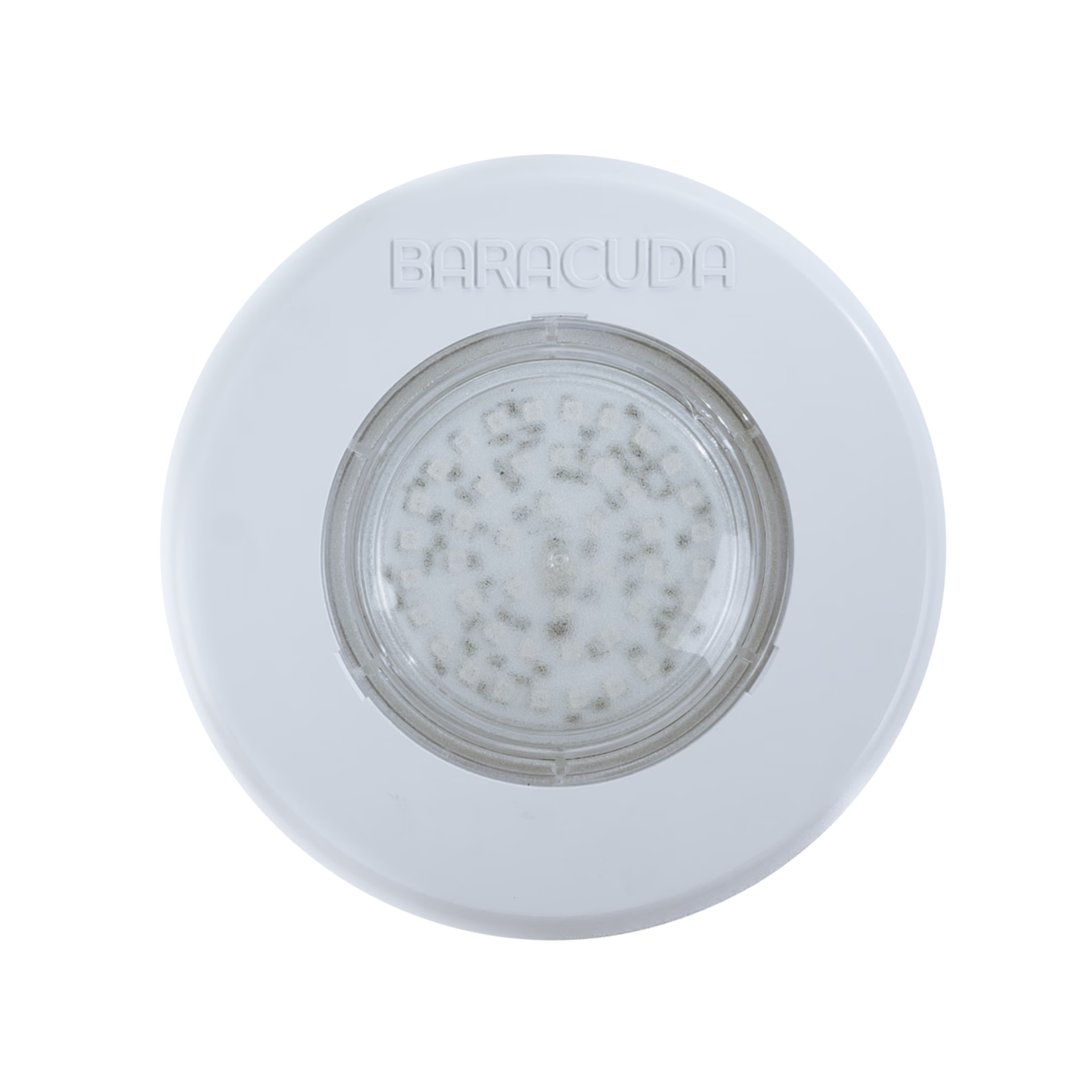
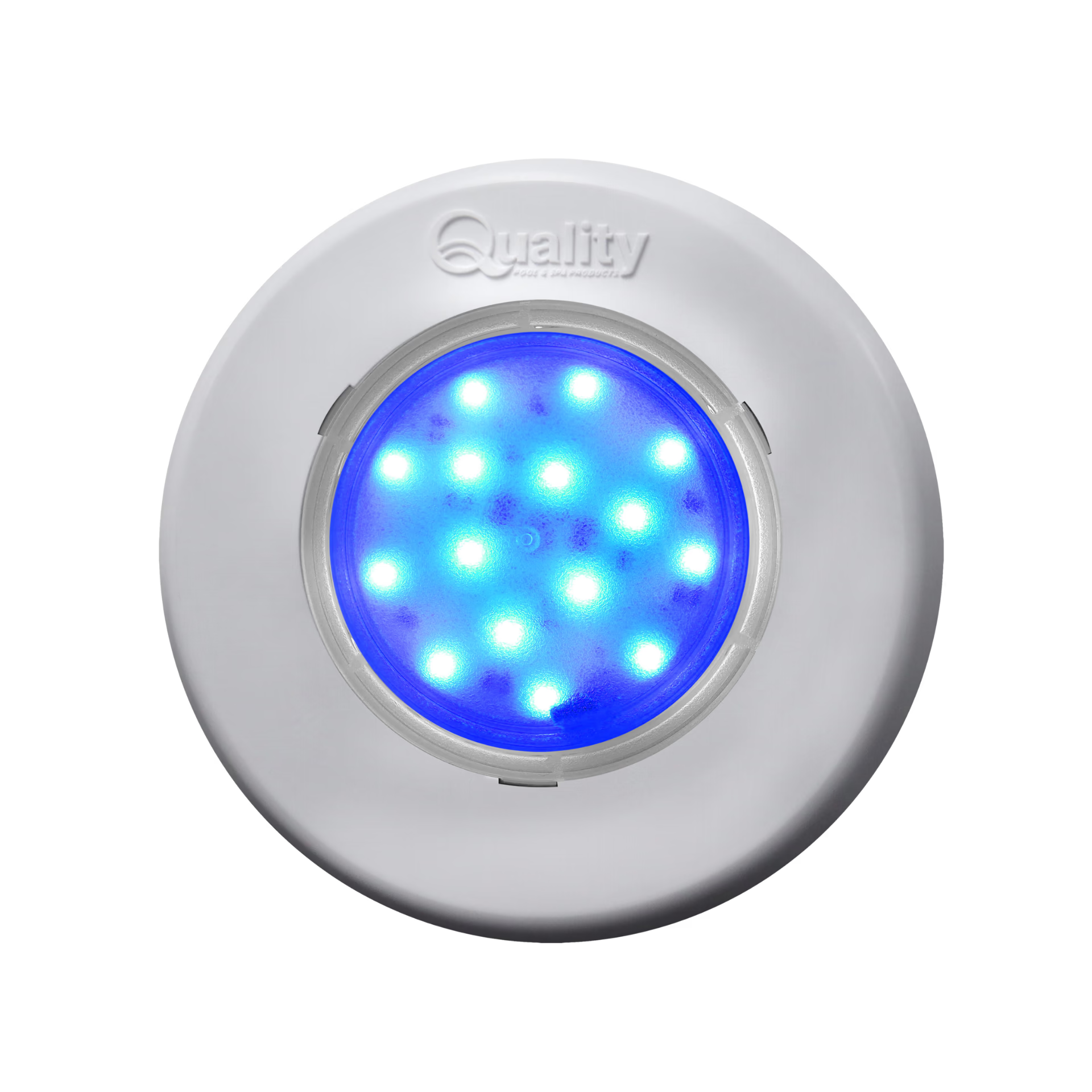
2. Light leaks – the conduit pipe frequently comes apart, breaks, or separates from the niche. This is a challenging problem to solve. There are several ways to repair a faulty conduit connection. A two-part epoxy that hardens when mixed with putty, silicone, or caulk.
3. Liner Pool leaks are easily repaired with a vinyl liner patch kit. Use a wet patch kit if you are underwater.
Please remember that not all leaks can be detected using do-it-yourself methods. You may be dealing with more serious plumbing or equipment issues than you realise. As a result, even if you repair leaks yourself, we recommend seeing a pool Xpert to verify you’re not using a quick-fix solution to a heavyweight problem. Many problems are underground near the structure and are therefore very difficult to repair due to the way many pool surrounds are now tiled. Always take potential future repairs into consideration when building and/or finishing your pool and pool surrounding area.